Best Enclosed Cat Litter Box: What to Look For
34% off on product page · save $139.98
Best Enclosed Cat Litter Box: What to Look For
What Makes an Enclosed Cat Litter Box the Best?
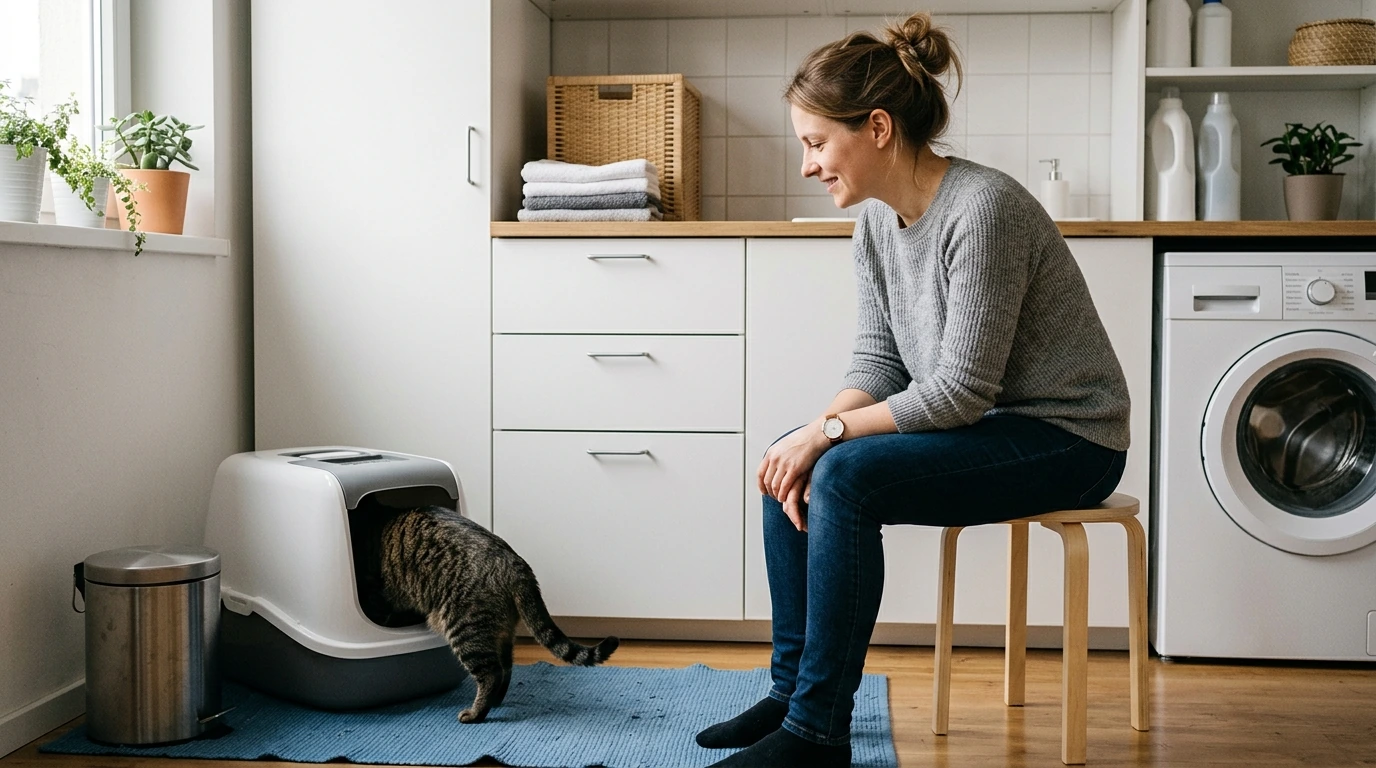
The best enclosed cat litter box is spacious, easy to clean, well ventilated, and comfortable for your cat to enter. Choose a box measuring at least 1.5 times your cat’s body length, with enough interior height for turning and digging without restriction.
Top Features to Consider
Look for a removable lid, smooth interior surfaces, and secure latches that simplify daily scooping and deep cleaning. A wide doorway of about 9 to 10 inches suits many adult cats, while low-entry models are more accessible for kittens, seniors, and cats with limited mobility.
Featured in this guide
XL Enclosed Stainless Steel Cat Litter Box with High Walls & Lid for Big Cats
Odor, Tracking, and Material
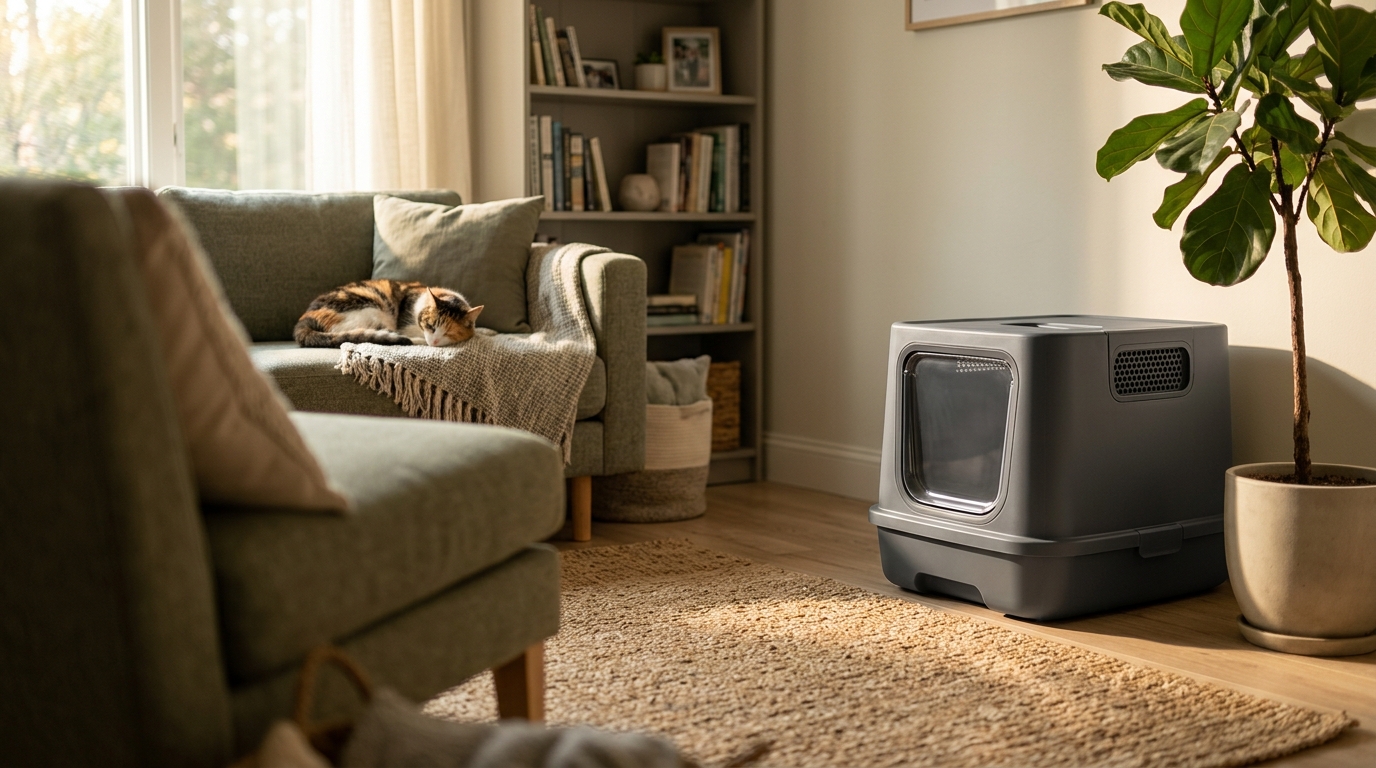
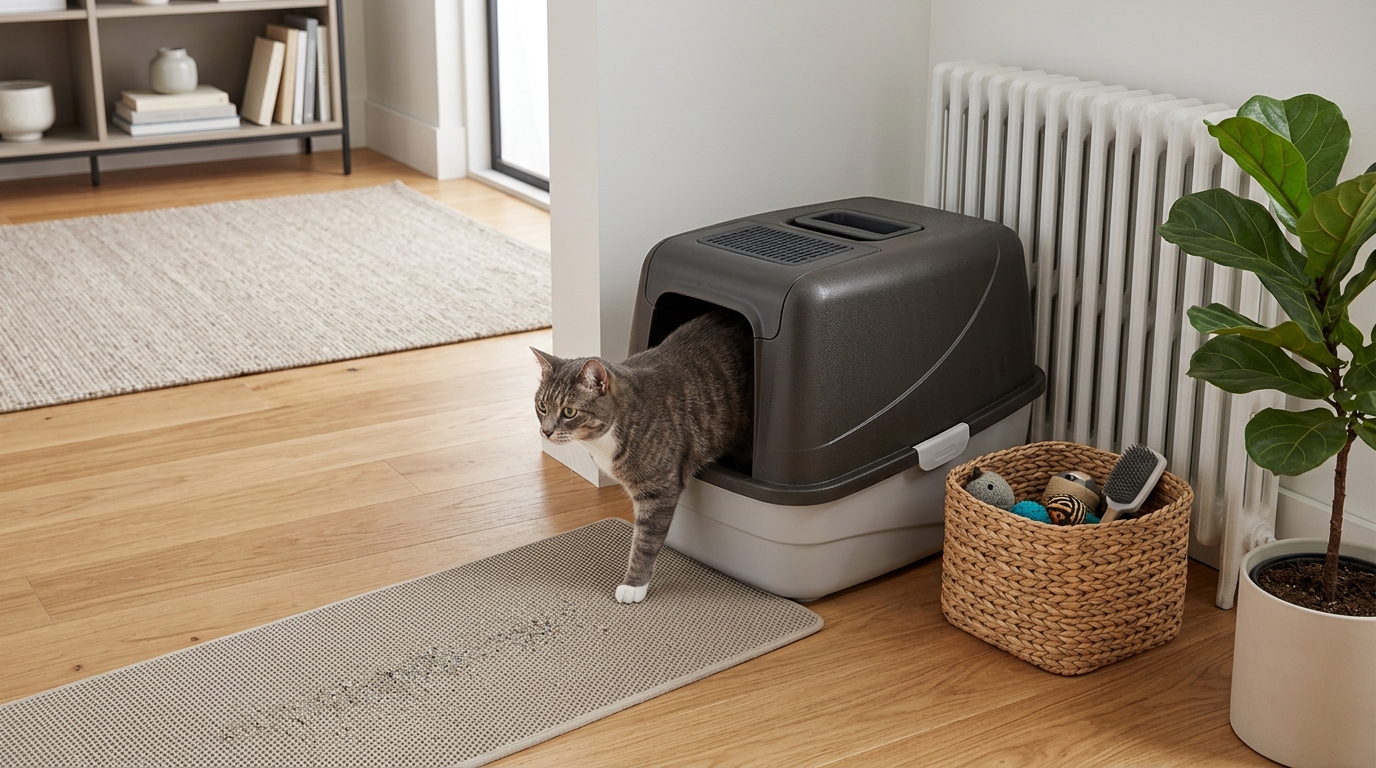
A covered box can contain scattered litter, but it should include vents or a replaceable carbon filter to prevent odors from accumulating inside. High-quality plastic is lightweight and affordable, while stainless steel resists scratches and odor absorption; place a textured litter mat outside the entrance for additional tracking control.
Choosing the Right Design for Your Cat
Side-entry boxes are generally the most accessible, whereas top-entry designs may reduce tracking but can be difficult for older or heavier cats. Remove the cover initially if your cat seems hesitant, then reattach it after several days of comfortable use; explore more options in the complete enclosed cat litter box guide.
FAQ
Do vets recommend enclosed litter boxes?
Vets may recommend enclosed litter boxes when they are large, clean, and well ventilated. However, some cats prefer open boxes because covered interiors can retain odors or make them feel trapped.
Which litter box enclosure is the best rated?
The best-rated litter box enclosure typically combines ample interior space, durable materials, secure construction, and easy cleaning access. Check verified ratings alongside the enclosure’s dimensions to confirm that it fits both your cat and litter pan.
Are enclosed litter boxes better for cats?
Enclosed litter boxes are better for cats that prefer privacy and comfortably use a covered space. They are not ideal for every cat, so provide an open alternative if you notice avoidance, accidents, or hesitation.
What litter boxes do vets recommend?
Vets commonly recommend litter boxes that are roomy, accessible, unscented, and scooped at least once daily. Many also suggest providing one box per cat plus one extra, positioned in quiet and easy-to-reach locations.
See if XL Enclosed Stainless Steel Cat Litter Box with High Walls & Lid for Big Cats fits your setup











Leave a comment