Best Greenhouse for Cold Winters: What to Choose
29% off on product page · save $87.48
Best Greenhouse for Cold Winters: What to Choose
Choose an Insulated Structure for the Coldest Weather
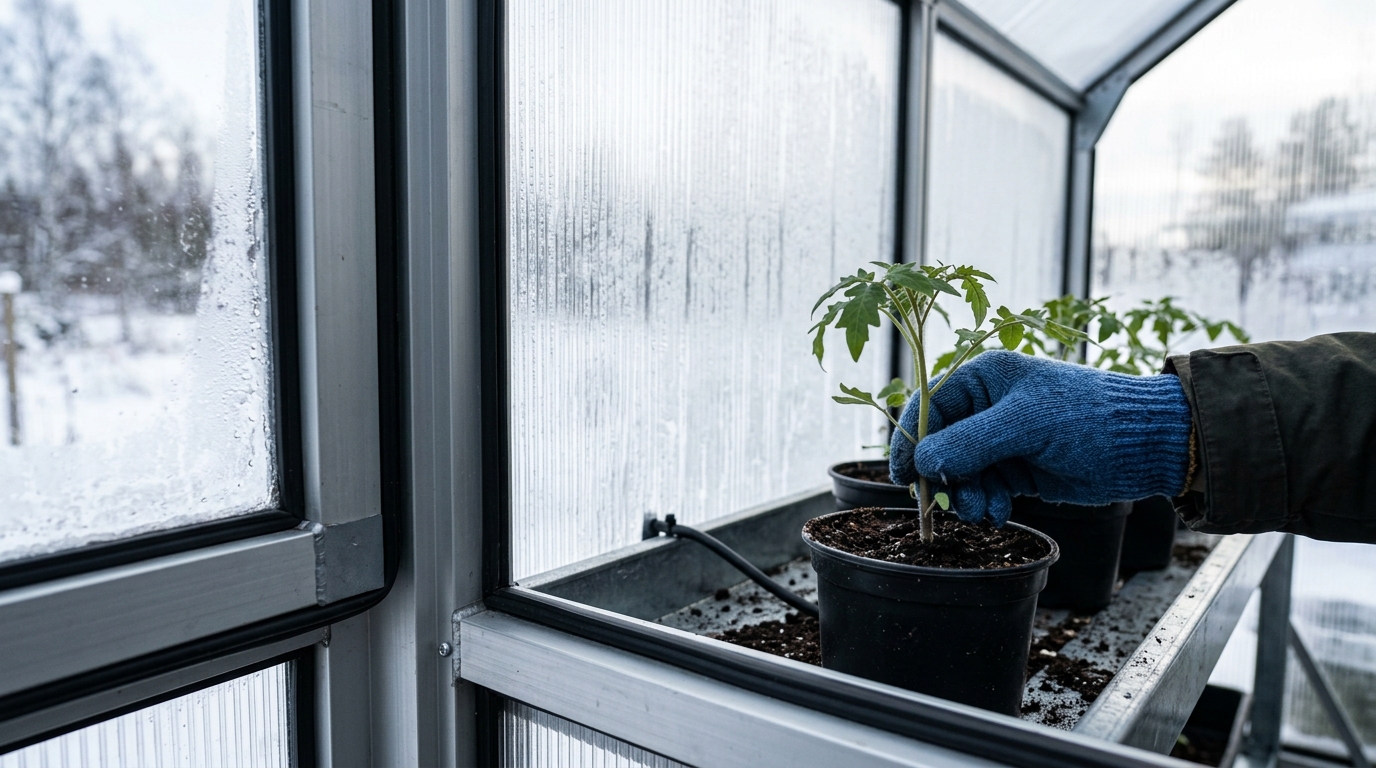
For cold winters, the best greenhouse is usually a sturdy structure with insulated glazing, a well-sealed door, and a plan for heating when temperatures drop below what your plants can tolerate. A twin-wall or multiwall polycarbonate greenhouse is a practical choice because its air-filled panels slow heat loss better than a single layer of glass or plastic film, while still admitting daylight.

Match the Greenhouse to What You Grow
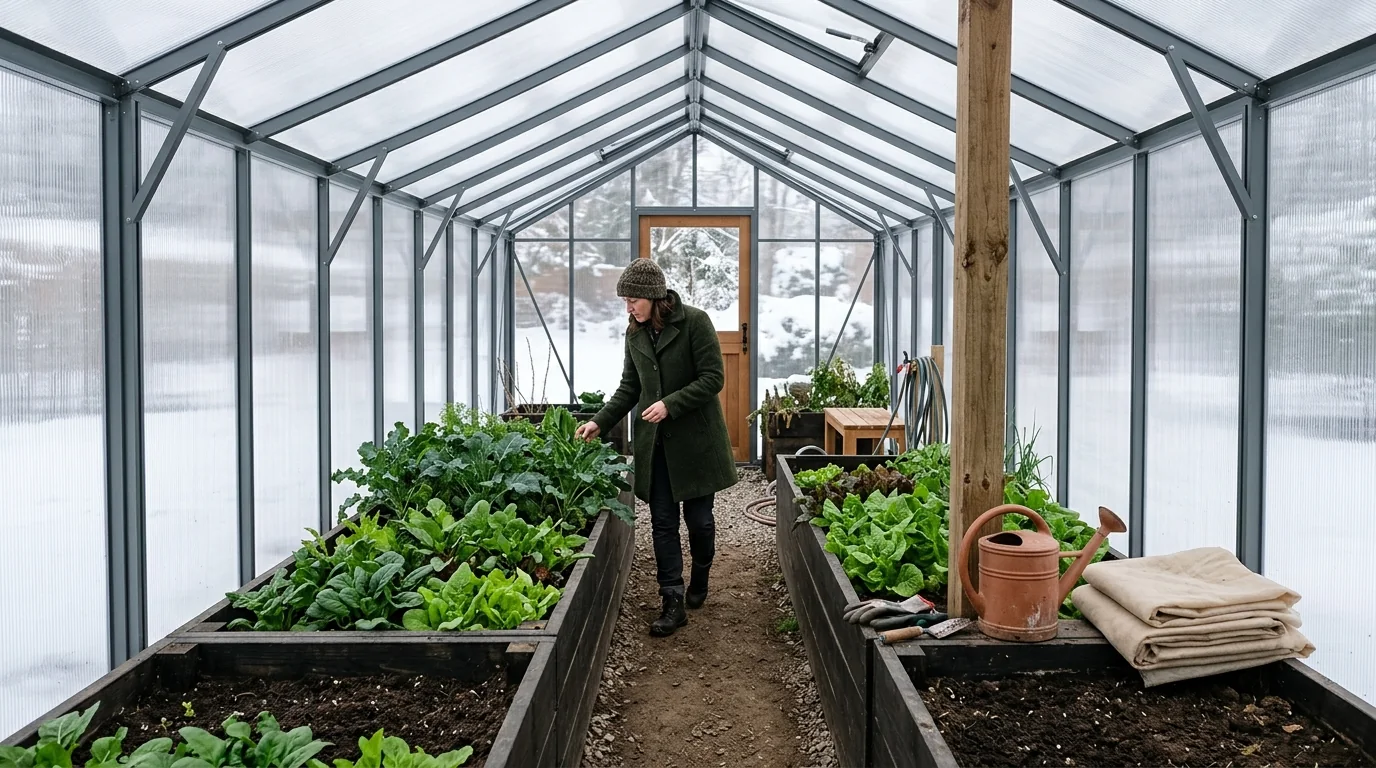
If you want to keep hardy greens growing, an unheated greenhouse may be enough in some climates, especially when you add row covers inside it on freezing nights. Tender vegetables, tropical plants, and seedlings need more dependable warmth, so you should plan for a properly sized heater and a thermostat rather than relying on sunlight alone.
Featured in this guide
Walk-In Tunnel Greenhouse
Understand Where a Tunnel Greenhouse Fits
Our Walk-In Tunnel Greenhouse is a greenhouse option to consider when you’re deciding how much growing space you need, but a tunnel shape by itself does not determine winter performance. For any tunnel greenhouse, pay close attention to the covering, anchoring, ventilation, and local snow and wind conditions; if deep snow is common, prioritize a structure rated for that load and clear accumulated snow safely.
Reduce Heat Loss Before Adding Heat
Place your greenhouse where it receives strong winter sun, seal drafts without blocking needed ventilation, and use a thermometer to track overnight lows at plant height. Insulating the north side where appropriate, adding an interior row cover, and keeping plants off a freezing floor can all help, but ventilate on sunny days to limit overheating and excess moisture. Our team recommends choosing the structure around your local winter conditions first, then deciding whether supplemental heat is necessary; you can explore that decision further in our guide to the best greenhouse for cold winters.
FAQ
What type of greenhouse is best for cold weather?
For most gardeners facing freezing winters, a well-anchored greenhouse with insulated polycarbonate panels and good door seals is a strong starting point. If you grow frost-sensitive plants, pair that structure with monitored, safely installed supplemental heat.
See if Walk-In Tunnel Greenhouse fits your setup












Leave a comment