What Should Beginners Trade First? Shares vs. ETFs

15% off on product page · save $4.06
What Should Beginners Trade First? Shares vs. ETFs
Start with shares you can understand
Buying a small number of shares in an established company can be easier to follow than trading options, leveraged products, or fast-moving currencies, because you can focus on what the business does and why you want to own it. You can also consider a broad-market exchange-traded fund (ETF) if you would rather spread your investment across many holdings instead of choosing one company.
Check the product’s listed specifications when evaluating start with shares you can understand.

Choose investing over rapid trading at first
A longer-term approach lets you decide on your budget, place an order, and review your position on a schedule, while day trading requires quick decisions and close attention to price changes. That slower pace does not remove the risk of losing money, but it can help you practice following a plan instead of reacting to every market move.
Featured in this guide
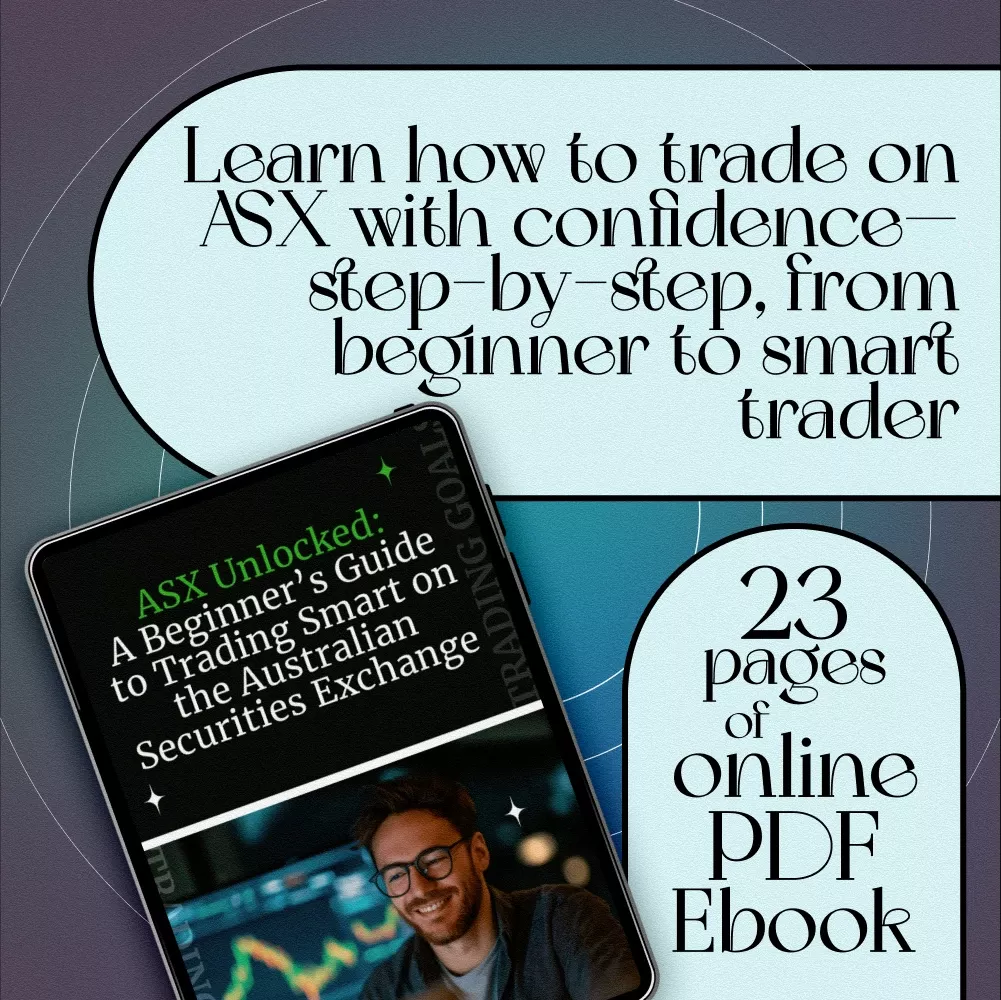
ASX Unlocked: A Beginner’s Guide to Trading Smart on the Australian Securities Exchange | How to Trade on ASX eBook for Beginners | Digital Download
Practice the steps before committing money
Before your first trade, learn the difference between a market order and a limit order, understand the fees your broker charges, and decide how much you can afford to lose without affecting essential expenses. You can write down a sample trade—including your reason for buying and what would make you reconsider—then watch how it develops before placing a real order.
Match the market to your location and goals
If you want to trade on the Australian Securities Exchange, learn its trading process and your broker’s requirements before choosing a share or ETF; account access, fees, and minimum orders can affect what is practical for your budget. Our ASX Unlocked: A Beginner’s Guide to Trading Smart on the Australian Securities Exchange is a digital download for beginners, and our guide to your first ASX trade is a place to continue learning.
Check the product’s listed specifications when evaluating match the market to your location and goals.
Keep your first position manageable
Our team recommends choosing an amount you can leave invested while you learn, rather than using money you may need soon for bills or emergencies. Review what you bought, why you bought it, and how the total cost—including fees—fits your plan before deciding whether to make another trade.
Check the product’s listed specifications when evaluating keep your first position manageable.
Watch · product page video
“This eBook was a fantastic introduction to the world of trading on ASX. It’s written in an easy-to-understand language that even someone new like me could grasp. Highly recommended!”
Queenjonesenterprise product page · Product review
FAQ
Is $100 enough to start day trading?
Even if a broker lets you place a trade with $100, that amount leaves little room for fees and losses, and day trading is a demanding place to begin. You may be better served using $100 to practice planning trades or to start a longer-term investment if your broker’s requirements allow it.
See if ASX Unlocked: A Beginner’s Guide to Trading Smart on the Australian Securities Exchange | How to Trade on ASX eBook for Beginners | Digital Download fits your setup













Leave a comment