Walk-In Tunnel Greenhouse: Planning Your Growing Space
29% off on product page · save $87.48
Walk-In Tunnel Greenhouse: Planning Your Growing Space
What a Walk-In Tunnel Greenhouse Adds to Your Garden
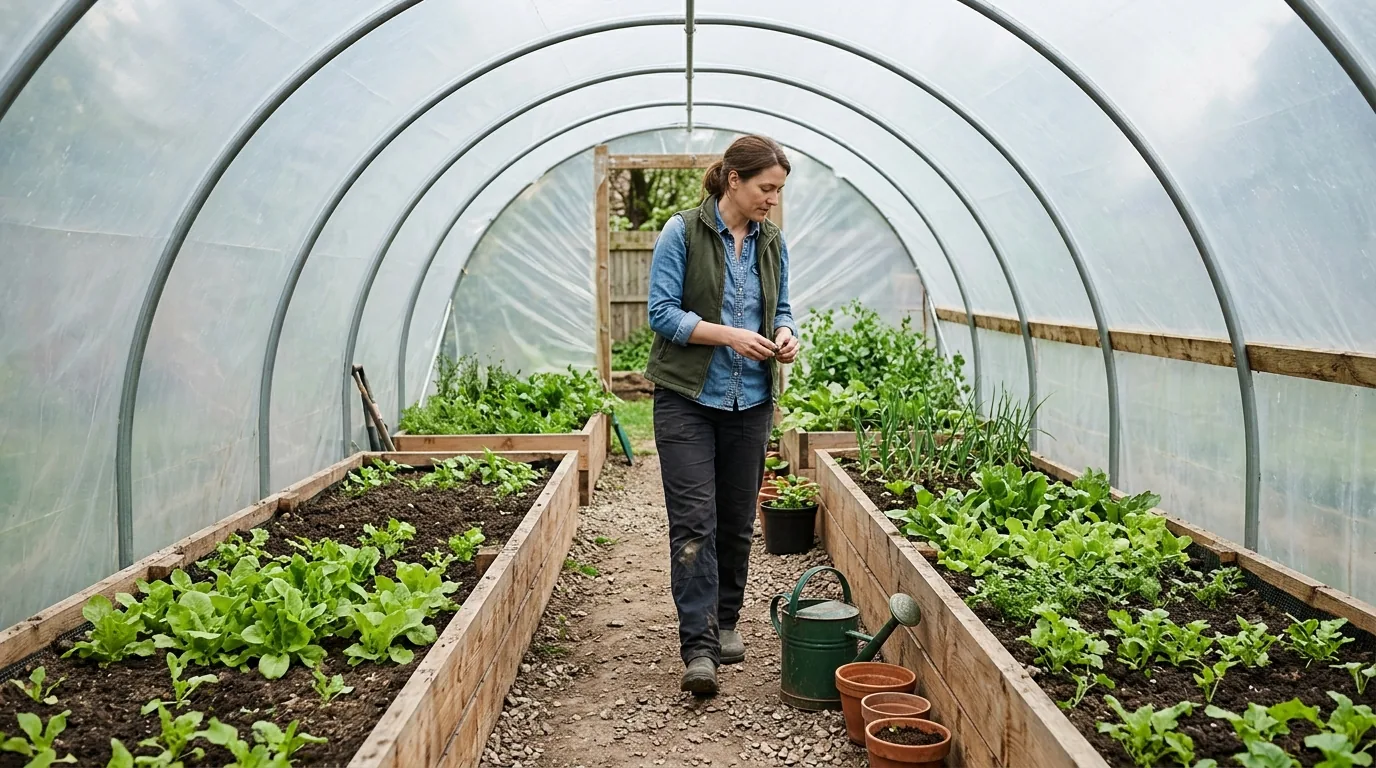
The main advantage of a walk-in design is access. Instead of reaching over a row or moving pots out of the way, you can enter the space to check individual plants and carry out routine tasks. That can make a covered area appealing for seed starting, container growing, or keeping tender plants in a more sheltered spot during changeable weather.
A tunnel is not a set-and-forget growing environment. Sun can warm a covered space quickly, while cold nights can still put plants at risk. The University of Minnesota Extension’s guidance on high tunnels is a useful starting point for understanding how covered growing spaces are managed. Your results will depend on your climate, site, crops, and care routine; a cover by itself does not promise a particular temperature or length of growing season.
Featured in this guide
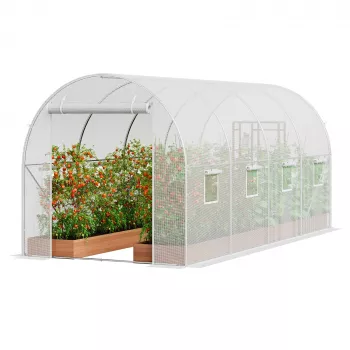
Walk-In Tunnel Greenhouse
Match the Space to Your Growing Routine
Decide what will go inside before you arrange it. Containers can be moved as plants grow or sunlight changes. Beds call for a more fixed layout and a path that lets you reach the plants without stepping into the growing area. If you want both, sketch them together so the walking space does not become an afterthought.
Think through ordinary visits, too. Can you carry water in, turn around, and reach the plants you need to inspect? Will taller plants shade smaller ones? A simple layout on paper can reveal a cramped path before you commit to one. Keep ventilation, watering, and temperature checks on your routine, especially during sunny spells and sharp weather changes. The USDA Natural Resources Conservation Service’s High Tunnel Initiative offers additional background on using tunnels for crop production.
A Simple Planning Checklist
| Question | Why it matters | What to check |
|---|---|---|
| Where will it stand? | Sun, drainage, and wind affect daily use. | Observe the site at different times of day. |
| What will grow inside? | Planting plans determine how much working room you need. | Sketch containers or beds and a walking path. |
| How will you care for plants? | Covered spaces still need regular attention. | Plan for watering, airflow, and temperature checks. |
| Will it stay up through winter? | Cold and severe weather require extra planning. | Review local conditions and the product’s care instructions. |
A Practical Option for Your Growing Plans
You can visit its product page for the current price, availability, dimensions, and setup details before deciding whether it suits your yard. We would start with two measurements: the ground area you can dedicate to the structure and the clear space you want for moving around your plants.
It also helps to decide what a successful first planting will look like. A few containers and seedlings may call for a different interior arrangement than beds of mature crops. If you are organizing garden tasks alongside other household projects, our simple home reset guide is a separate digital resource for getting back on track with cleaning; it is not a greenhouse care manual.
Once you know what you want to grow, where water will come from, and how you will keep a usable path, you can choose a setup with a clearer picture of the work ahead. Covered space can make tending plants more convenient, while your regular attention keeps that space useful.
Before choosing, compare the product details with your daily routine, available space, care needs, and preferred setup. The strongest option is usually the one that fits the intended use clearly and remains simple to clean, store, and check before repeat use.
It is also worth checking measurements, material notes, included parts, and compatibility details so the item matches the way it will be used after delivery.
Before choosing, compare the product details with your daily routine, available space, care needs, and preferred setup. The strongest option is usually the one that fits the intended use clearly and remains simple to clean, store, and check before repeat use.
FAQ
How do Amish heat their greenhouses?
There is no single Amish greenhouse-heating method; practices vary by grower and location. Ask a local grower about their particular setup rather than assuming a tunnel cover provides heat.
Which is better, a polytunnel or a greenhouse?
Neither is better for everyone. Compare the available space, your growing goals, maintenance needs, and the specifications of the structures you are considering.
See if Walk-In Tunnel Greenhouse fits your setup













Leave a comment