Soft Silicone Snack Cup for Toddlers on the Go
87% off on product page · save $39.78
Soft Silicone Snack Cup for Toddlers on the Go
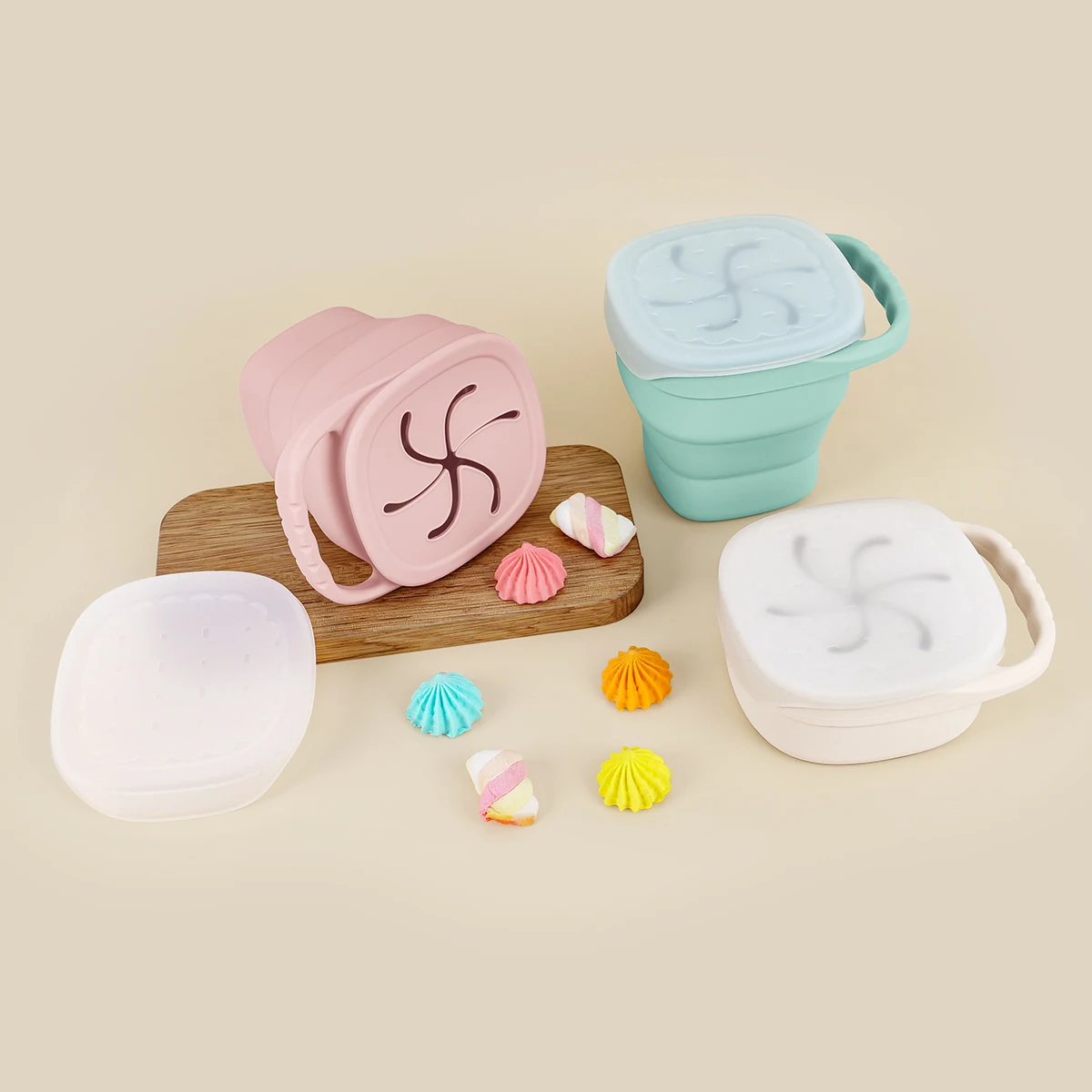
A Simple Place for Snacks
A separate snack container gives you a place to portion food before your toddler is ready to eat. At home, you can prepare a small serving without bringing the whole package to the table. When you’re going out, a dedicated cup can help keep the snack together inside your bag.
We use “spill-proof” to describe the cup’s purpose: helping reduce spills. It isn’t a promise that every piece of food will stay inside in every situation. How you pack and carry it still matters, so take a moment to check the cup before putting it alongside other belongings.

Making Snack Time Easier Away From Home
Errands, visits, and trips to the park can all call for a snack break. Choose something appropriate for your toddler’s age and chewing ability, then pack an amount you expect them to eat. A smaller portion is easier to manage and leaves less food to deal with afterward.
Keep the cup somewhere you can reach it when you need it. Before placing it in a bag, check that it’s ready to carry and that no food is caught where it could escape. Carry it upright when practical, and consider keeping it separate from items you want to protect from crumbs.
Once you arrive, find a safe place for your toddler to sit while eating. You can offer the cup when it’s time for a break, then put it away after removing any remaining food as appropriate.
Featured in this guide
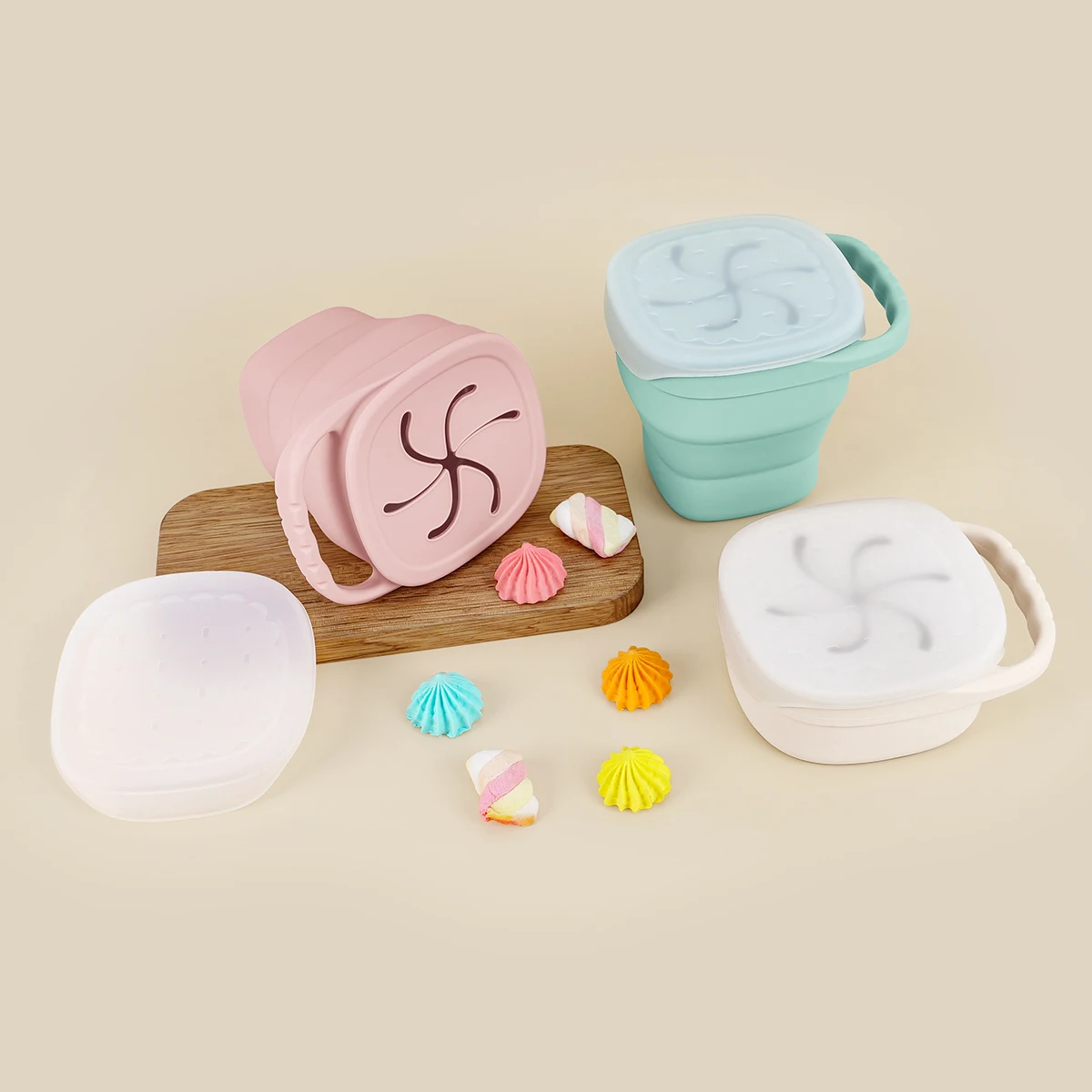
Soft Silicone Baby Snack Cup – Spill-Proof Portable Food Container for Toddlers
Snack-Time Planning at a Glance
| Situation | Practical tip |
|---|---|
| At home | Serve a small portion and supervise while your toddler eats. |
| On an outing | Pack an age-appropriate snack and keep the cup within reach. |
| After snack time | Remove leftovers and clean the cup according to its care instructions. |
Choosing Snacks With Safety in Mind
The right snack depends on your child’s development, including how well they can chew and manage different textures. Prepare food in safe sizes and textures for your child, and take particular care with foods that can be difficult to chew or that may block the airway.
Keep your toddler seated and supervised while eating. It’s also best to avoid snack time in a moving vehicle when you can’t supervise closely. If your child needs a snack on a drive, plan a stop where you can sit with them instead.
For examples of foods that need extra care and ways to prepare them, see the CDC’s guidance on choking hazards. A convenient container can help you organize food, but it doesn’t replace choosing and preparing snacks carefully.
Check the product’s listed specifications when evaluating choosing snacks with safety in mind.
Caring for the Cup
Wash the cup before its first use and after each use, following the product’s care instructions. Remove leftover food promptly so the cup is ready to clean, and allow enough time for it to dry before packing another snack.
Our team also recommends looking over the cup regularly for damage. If it becomes damaged, stop using it. Follow the manufacturer’s instructions for cleaning methods and temperature limits rather than assuming the cup can go in a dishwasher or sterilizer.
If snack crumbs are one part of a bigger household reset, our Oops, I Forgot to Clean Again! digital cleaning guide offers a separate resource for getting back to tidying.
Ready for the Next Snack Break
A little preparation can make the next snack break easier to manage. Our cup combines soft silicone with a portable format and a design intended to reduce spills. Pack a suitable portion, keep your toddler seated and supervised, and clean the cup after use. Visit the product page for current purchase details.
The Large Kids Toy Organizer with Storage Bins, Bookshelf Cubbies & Cabinets works alongside the featured product; it keeps small car items in designated pockets instead of loose on the seat.

Watch · product page video
“In love with this soft silicone snack cup. It’s spill-proof and super safe for my kiddo!”
Queenjonesenterprise product page · Product review
FAQ
What does “silicone baby” mean?
The phrase generally refers to a baby product made with silicone, such as a feeding item. Its meaning alone doesn’t tell you whether a particular product is suitable for your child or a specific use.
What type of silicone is safe for babies?
Silicone used in feeding products should be intended for food contact and meet applicable food-contact requirements. Review the manufacturer’s material and safety information for the specific product.
Why are parents switching to silicone baby bottles?
Some parents choose silicone bottles because they prefer the material’s soft, flexible feel. Preferences vary, and it’s important to follow the specific bottle’s use and care instructions.
See if Soft Silicone Baby Snack Cup – Spill-Proof Portable Food Container for Toddlers fits your setup
Recommended for you













Leave a comment