Do Vets Recommend Enclosed Litter Boxes? What to Know
34% off on product page · save $139.98
Do Vets Recommend Enclosed Litter Boxes? What to Know
Do vets recommend enclosed litter boxes?
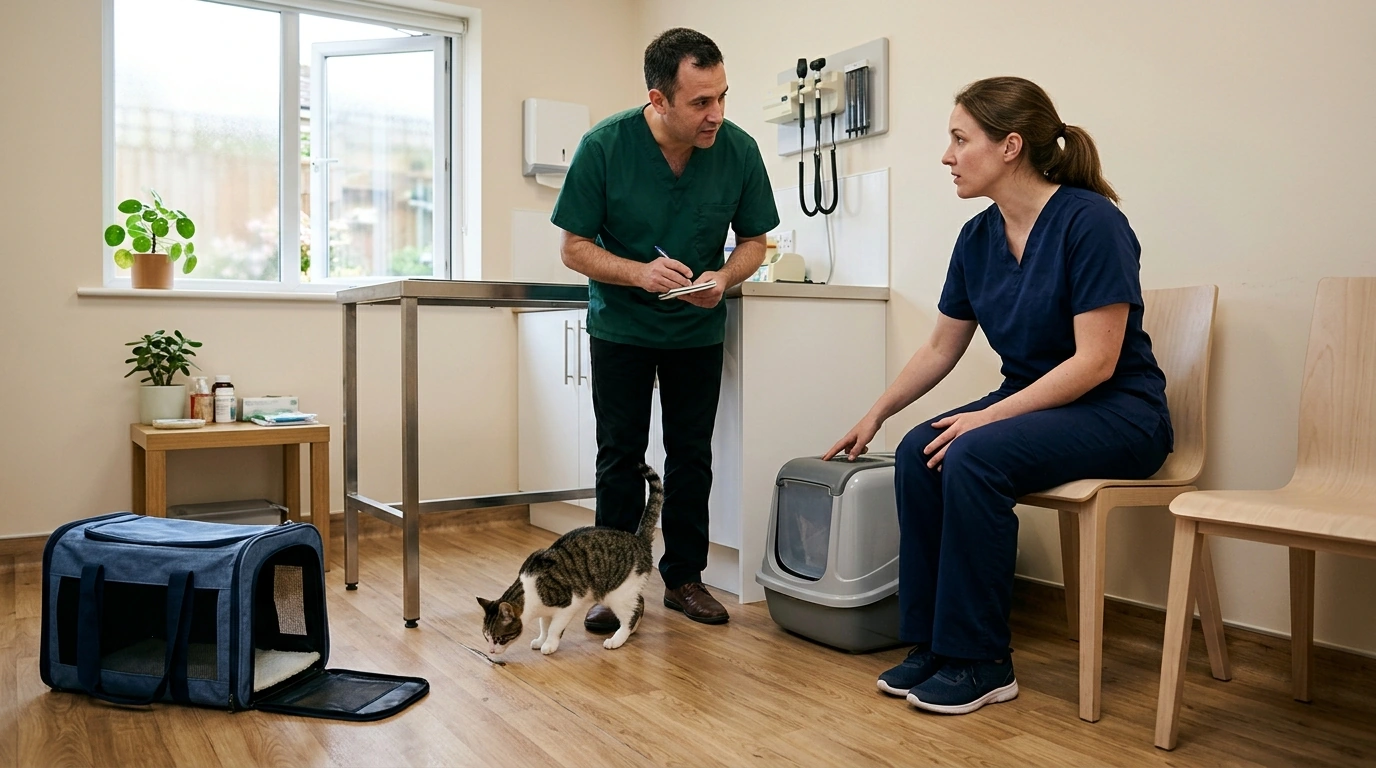
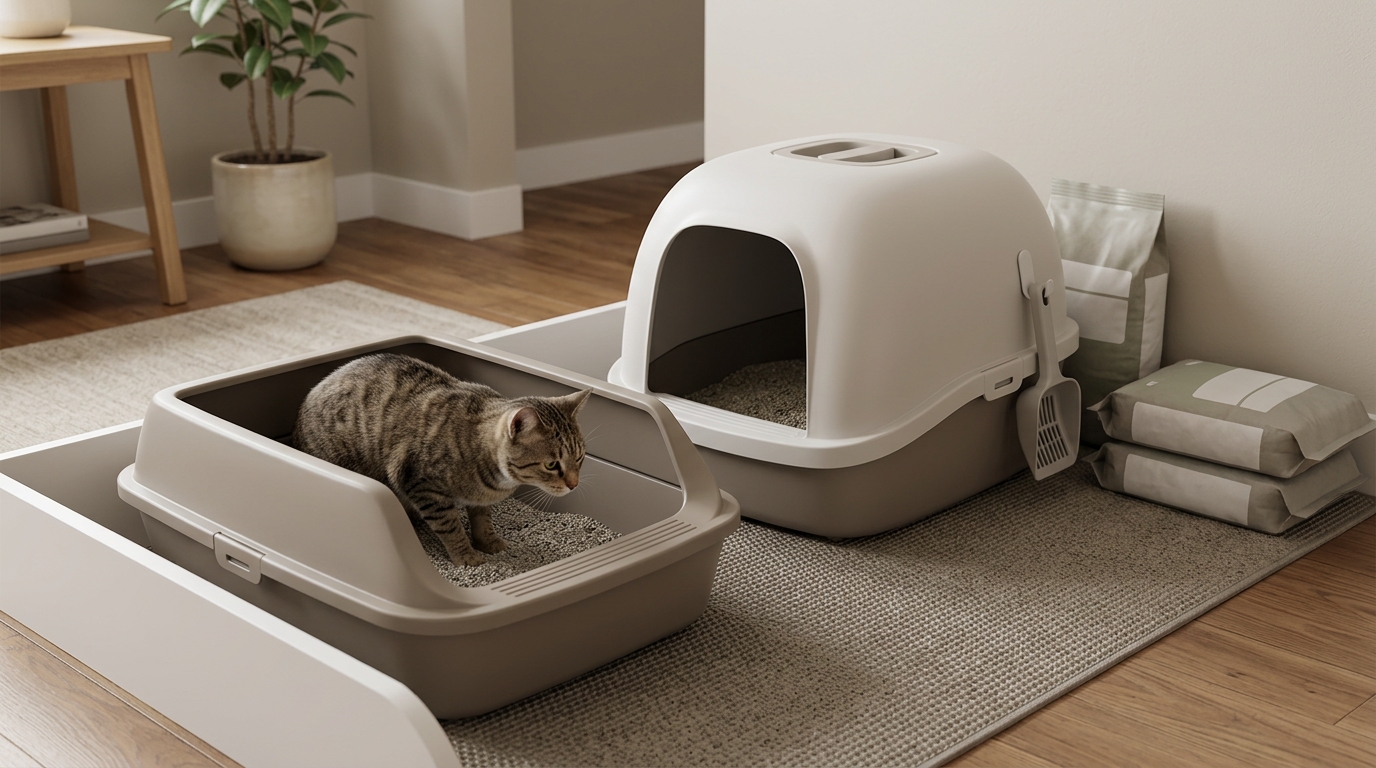
Veterinarians do not generally recommend an enclosed litter box for every cat. A covered box can work if your cat uses it comfortably and you keep it clean, but an uncovered box is often the easier starting point because it offers more space, airflow, and visibility. If you are deciding between styles, start with your cat’s habits rather than the box’s appearance.
Start with space and access
Your cat should be able to enter, turn around, dig, and leave without brushing against the walls or lid. Choose a box at least one and a half times your cat’s body length, measured from nose to the base of the tail. For kittens, senior cats, or cats with mobility issues, a low entry may matter more than a cover.
Featured in this guide
XL Enclosed Stainless Steel Cat Litter Box with High Walls & Lid for Big Cats
Consider what a lid changes
A lid may help contain scattered litter and give your cat a more secluded place to go. It can also trap odors inside, even when the area around the box smells clean to you. Scoop at least daily, and remove the lid if your cat hesitates at the entrance or starts avoiding the box.
Choose for your household
For multiple cats, provide more than one litter box in separate locations so access does not depend on sharing a single enclosed space. Our team favors roomy boxes with simple surfaces you can clean thoroughly, whether they have a removable cover or no cover at all. For a fuller comparison, read our guide to whether vets recommend enclosed litter boxes.
FAQ
Is it better to have an enclosed cat litter box?
It is better only if the enclosure suits your cat. If you want less litter scatter, try a roomy covered box while keeping an uncovered option available.
Do cats prefer covered or uncovered litter boxes?
Preferences vary by cat. Offer both styles with the same litter and watch which box your cat chooses.
Do cats dislike enclosed litter boxes?
Some cats do, especially if the box feels cramped or has a door they do not want to push through. Avoidance, hesitation, or eliminating elsewhere are signs to change the setup.
See if XL Enclosed Stainless Steel Cat Litter Box with High Walls & Lid for Big Cats fits your setup











Leave a comment