Do Inflatable Tents Get Holes Easily? Risks and Repairs
35% off on product page · save $905.50
Do Inflatable Tents Get Holes Easily? Risks and Repairs
What makes a puncture more likely?
Sharp stones, thorns, broken branches, pet claws, and rough dragging can damage an inflatable tent, especially where its material rests against the ground. A smooth, cleared campsite gives you a better starting point than a rocky or brush-covered area, even if you plan to use a ground covering.
How can you protect an inflatable tent while setting it up?
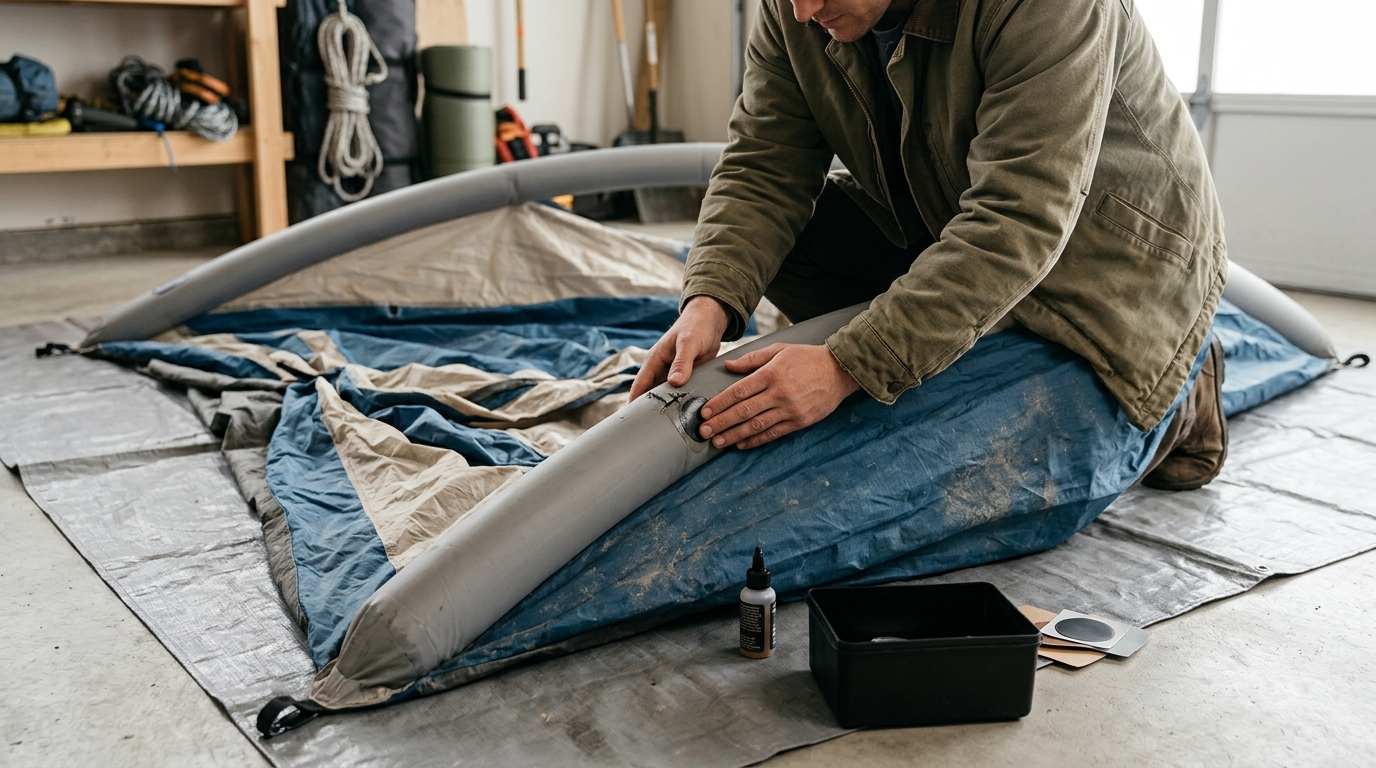
Before inflating, walk the full footprint and remove sharp debris; if you use a groundsheet, lay it flat so it does not bunch beneath the tent. Give yourself room to work around the tent without pulling it across pavement or snagging it on nearby furniture, stakes, or branches.
Featured in this guide
Luxurious Inflatable Starview Bubble Tent for Camping
Are inflatable tents more fragile than pole tents?
A pole tent does not depend on air to hold its shape, so a small fabric hole may have a different immediate effect than a leak in an inflatable structure. Both types can suffer tears or worn seams, though, and neither is well served by scraping it over rough ground or packing it away carelessly.
What should you do if you find a hole?
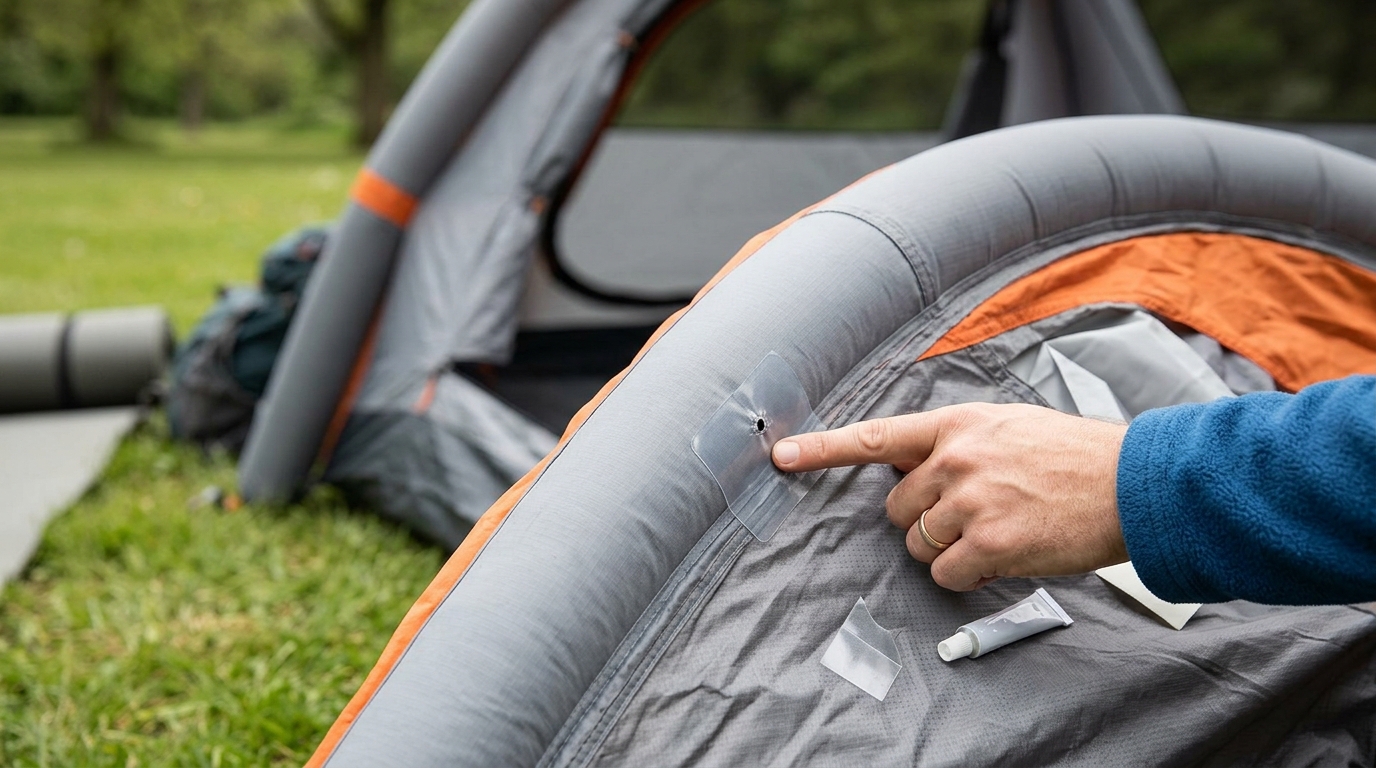
If the tent loses air, inspect the surface, seams, and air-fill points to locate the source before assuming the main fabric is punctured. For a small hole, follow the tent manufacturer’s repair instructions and use a compatible patch; extensive damage or a failing seam may need a different repair approach.
Is an inflatable bubble tent a good fit for your campsite?
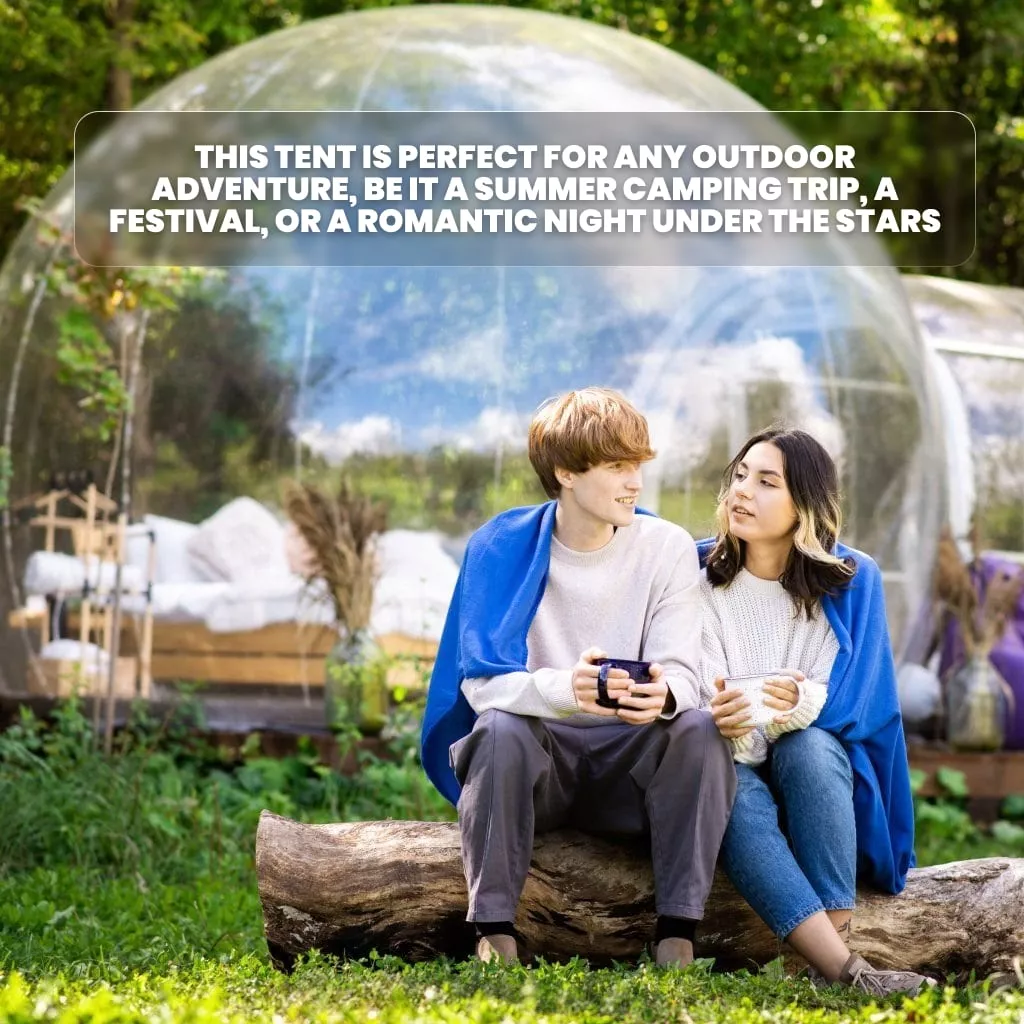
For our Luxurious Inflatable Starview Bubble Tent for Camping, we would prioritize a clear, level setup area away from thorns, sharp gravel, and overhanging branches. If you are planning a site with abrasive ground or little room to maneuver, prepare the area first and use our Starview bubble tent camping planning guide to think through the rest of your setup.
Watch · product page video
“Offers a unique way to enjoy the outdoors. Highly recommend.”
Queenjonesenterprise product page · Product review
See if Luxurious Inflatable Starview Bubble Tent for Camping fits your setup












Leave a comment