How Do Amish Heat Greenhouses in Winter?
29% off on product page · save $87.48
How Do Amish Heat Greenhouses in Winter?
How Amish Greenhouses Stay Warm
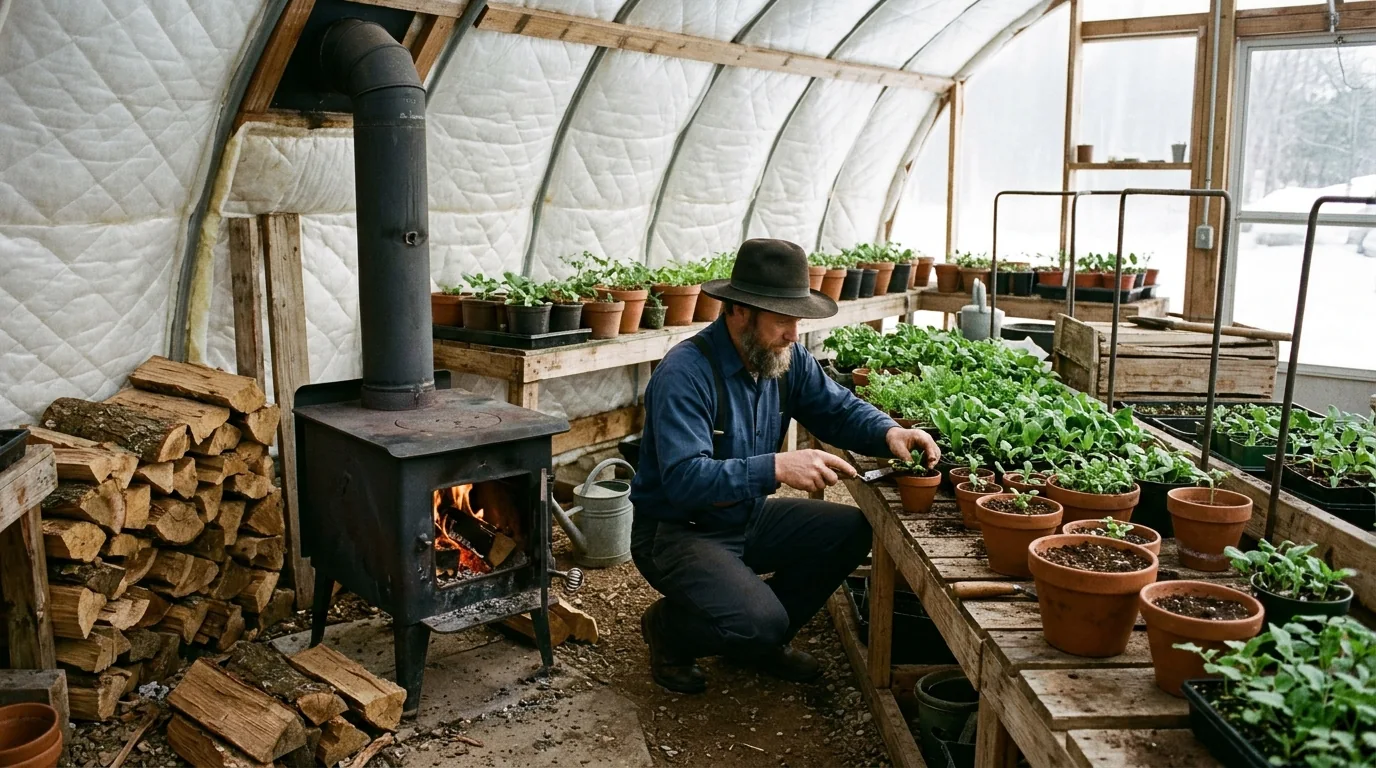
There is no single heating method used by all Amish growers: Depending on the community, available fuel, and the crops they grow, some may rely on wood- or coal-burning stoves, while others use propane, other heating systems, or mainly passive warmth. We recommend choosing a method based on the temperature your plants need rather than assuming every greenhouse must be heated like a house.
Sunlight can warm a greenhouse during the day, and materials with thermal mass, such as water barrels or masonry, can absorb some of that heat and release it as temperatures fall. These measures can reduce temperature swings, but they may not provide enough warmth on their own during prolonged freezing weather.
Combining Heat Sources and Insulation
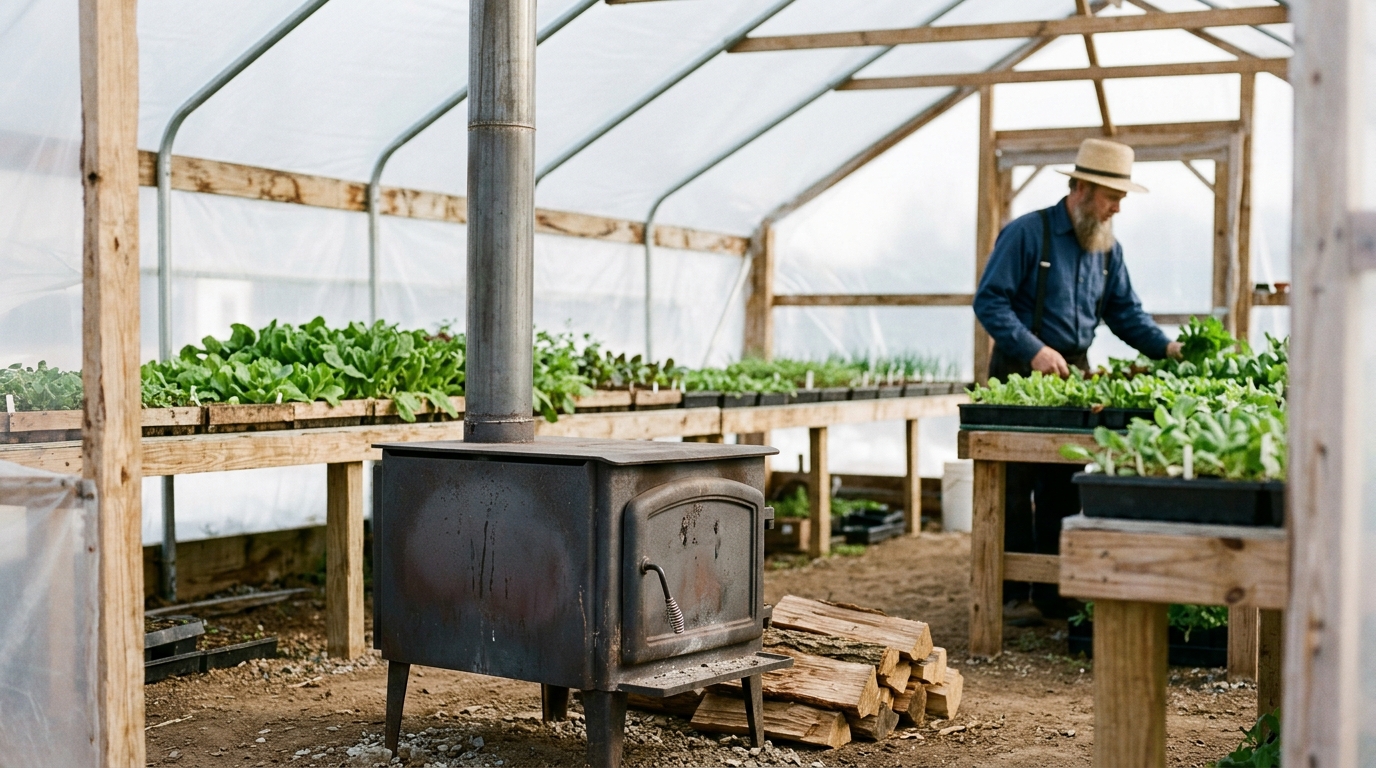
Growers who use a stove need a suitable installation, a properly vented flue, and adequate clearance from greenhouse covering, plants, and other combustible materials. Because combustion can produce dangerous gases and consume oxygen, never run an unvented fuel-burning heater in an enclosed greenhouse; follow the equipment manufacturer’s instructions and applicable local codes.
To retain warmth, you can reduce drafts, repair tears, and add an inner layer of greenhouse film or a row cover over plants, leaving enough space so the cover does not crush them. Our team suggests removing or venting covers when temperatures rise, since a sunny winter day can make an enclosed growing space surprisingly hot.
Featured in this guide
Walk-In Tunnel Greenhouse
Choosing an Approach for Your Greenhouse
For cold-tolerant greens or dormant plants, protection from wind and frost may be sufficient in some climates, while seedlings and tender crops generally need more reliable heat. Place a thermometer near plant level and track overnight lows before deciding whether passive measures are enough or supplemental heat is necessary.
Our Walk-In Tunnel Greenhouse is one option to consider as you plan a protected growing space, but your heating setup should match your climate, crops, and available fuel. For more planning considerations, see our walk-in tunnel greenhouse planning guide.
FAQ
What is the cheapest way to heat a greenhouse in winter?
Passive solar warmth, draft reduction, and row covers can be inexpensive starting points, especially when you grow cold-tolerant crops. Their effectiveness depends on your climate, and you may still need supplemental heat to prevent damaging freezes.
See if Walk-In Tunnel Greenhouse fits your setup













Leave a comment