How to Calm a Dog Down Quickly and Safely
35% off on product page · save $9.69
How to Calm a Dog Down Quickly and Safely
Start by lowering the pressure
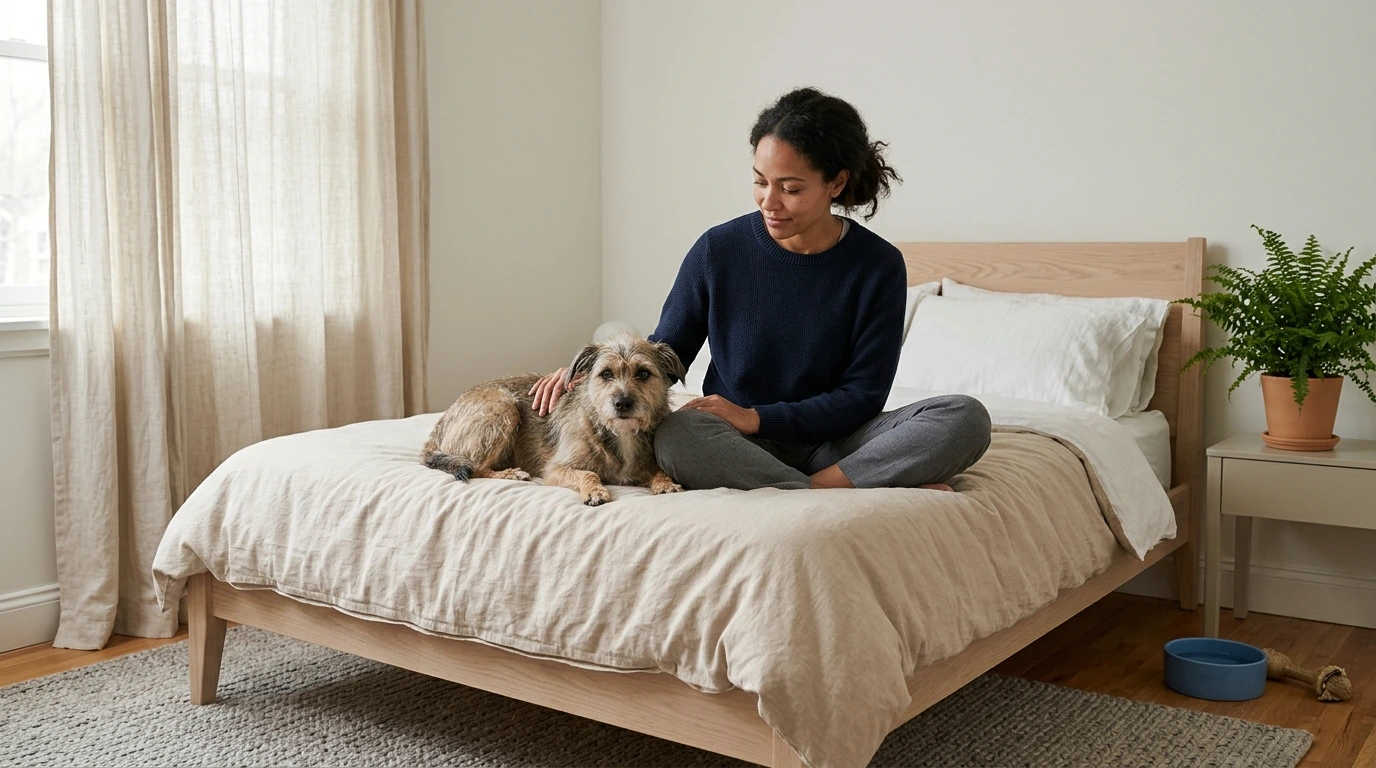
Move your dog away from the trigger if you can do so safely, whether that means stepping away from a crowded sidewalk, closing the curtains during a storm, or giving visitors more space. Speak softly, keep your movements slow, and avoid yelling, holding your dog tightly, or forcing them to face what scares them, because those responses can add to their distress.
Check the product’s listed specifications when evaluating start by lowering the pressure.
Offer a familiar, quiet place
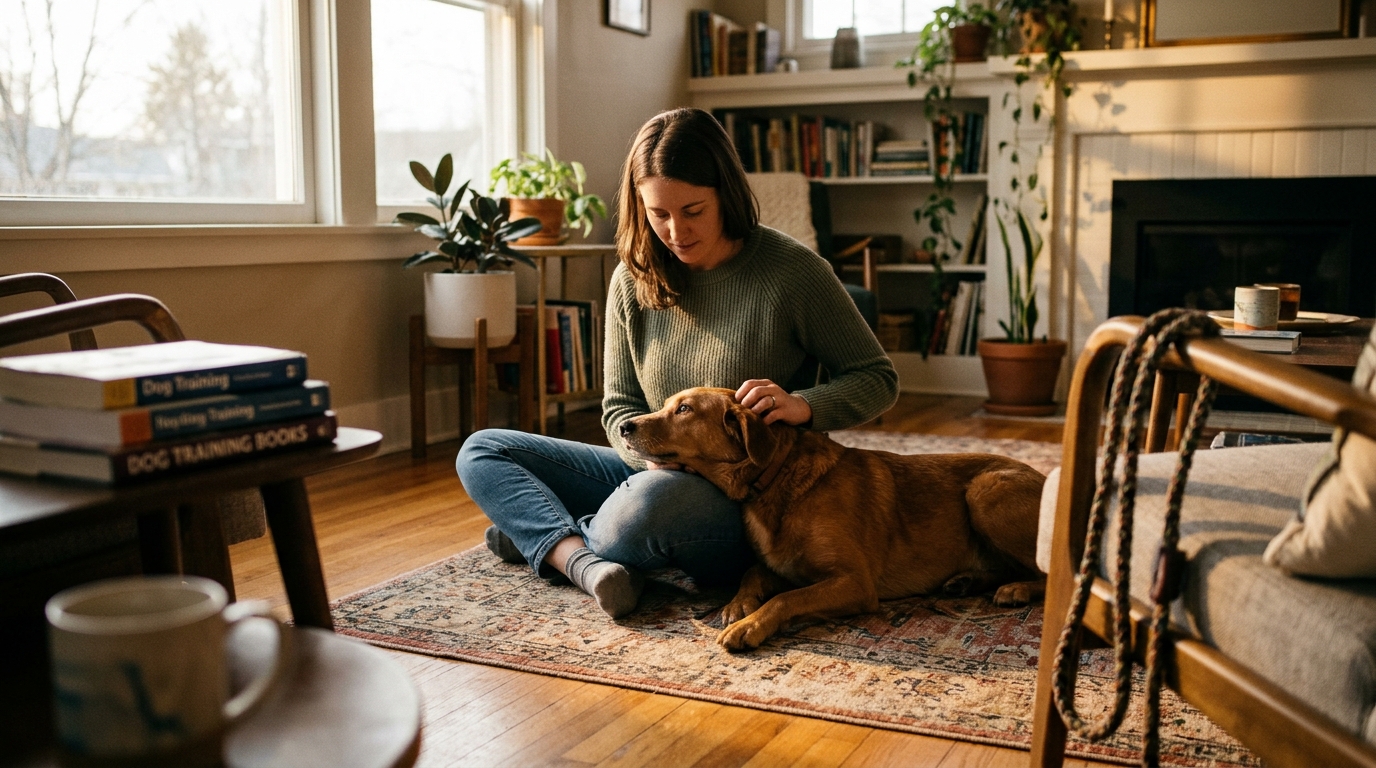
Guide your dog toward a comfortable room or an open crate they already consider safe, and let them choose whether to settle there. You can reduce distracting sights and sounds by closing windows or playing gentle background noise, then stay nearby if your presence seems reassuring without crowding them or blocking their exit.
Featured in this guide
Helping Your Dog Stay Calm During Storms | Ebook for a Dog Afraid of Thunderstorms | Anxiety Relief Guide, Calming Training & Proven Techniques
Use touch or an activity if your dog wants it
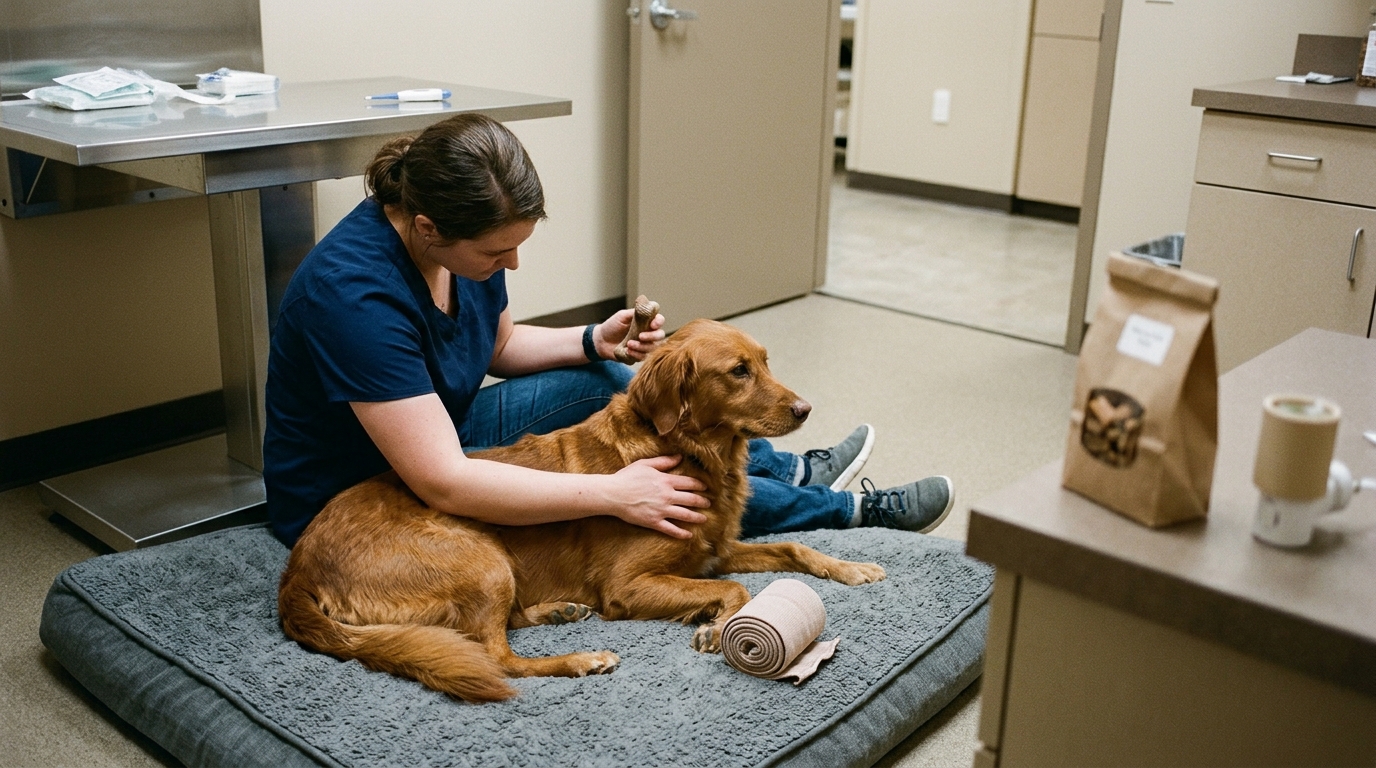
If your dog approaches you and appears comfortable, try slow, gentle strokes along the chest or shoulder, pausing to see whether they lean in or move away. You can also offer a familiar chew, a few treats, or an easy cue your dog already knows, but don’t insist if they are too frightened to eat or respond.
Check the product’s listed specifications when evaluating use touch or an activity if your dog wants it.
Plan for recurring anxiety
If storms regularly upset your dog, prepare their quiet space before the weather arrives and practice settling there during calm conditions; our guide to helping a dog afraid of thunderstorms offers a starting point for a safety plan. Our ebook, Helping Your Dog Stay Calm During Storms, covers calming training and techniques, and our team recommends speaking with your veterinarian if your dog panics, risks injury, or has anxiety that keeps returning.
“Wow, this guide is a lifesaver! My poor pup used to shake like a leaf during storms. Now? He’s as cool as a cucumber. It’s not just about the immediate calmness it brings but also the long-term resilience he’s developed. Highly recommend!”
FAQ
Where to touch a dog to calm them down?
Many dogs welcome slow, gentle strokes on the chest or shoulder when they are already comfortable with your touch. Watch your dog’s response and stop if they turn away, stiffen, or show other signs that they want space.
What calms dogs down instantly?
Moving away from a trigger, reducing noise, and offering a familiar quiet place can help some dogs settle quickly. No single method works instantly for every dog, so give yours room to choose what feels safe and contact your veterinarian about severe or recurring anxiety.
See if Helping Your Dog Stay Calm During Storms | Ebook for a Dog Afraid of Thunderstorms | Anxiety Relief Guide, Calming Training & Proven Techniques fits your setup













Leave a comment