What Bolt Cutters Do Special Forces Use? A Size Guide
72% off on product page · save $25.51
What Bolt Cutters Do Special Forces Use? A Size Guide
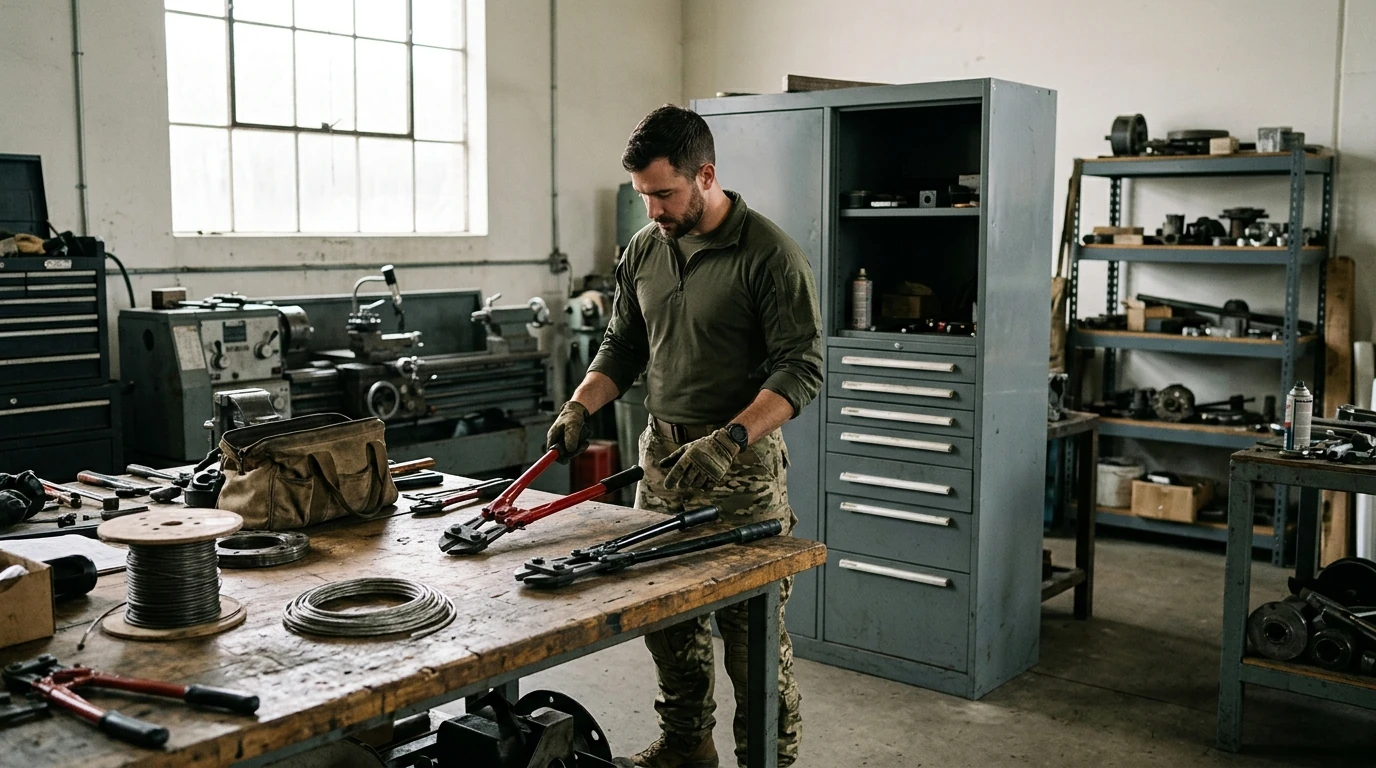
What bolt cutters do special forces use?
There is no single bolt cutter model used by every special forces unit; tool selection depends on the task, the material to be cut, and what a team can carry. For authorized work, a compact cutter may be easier to transport, while a longer, heavier tool can provide more leverage when the material calls for it.
Why does cutter size matter?
Longer handles generally give you more leverage, but they also take up more space and can be harder to maneuver in a confined area. Our bolt cutter sizing guide explains how to think about size alongside the material and diameter you need to cut, rather than treating length alone as a measure of capability.
Featured in this guide
Heavy-Duty Bolt Cutter – 8in to 24in | Precision Lock & Wire Cutting Tool
How should you choose a cutter for your own work?
Start by identifying the material, its diameter, and whether you have clear access to it; a cutter that fits around the workpiece is essential. Our Heavy-Duty Bolt Cutter – 8in to 24in | Precision Lock & Wire Cutting Tool offers a range of sizes to consider, but you should choose a size suited to your authorized task instead of assuming the largest option is always best.
Check the product’s listed specifications when evaluating how should you choose a cutter for your own work.
What about safe use and care?
Wear eye protection, keep bystanders clear, and position the material securely before cutting, because cut ends or fragments can move unexpectedly. Our team also recommends inspecting the jaws and pivot for damage, cleaning debris from the tool after use, and avoiding materials beyond the cutter’s stated capacity.
FAQ
What bolt cutters does the military use?
Military personnel may use different cutting tools according to their assignment and equipment needs, so there is no universal military bolt cutter. If you are choosing one for civilian use, focus on the material, diameter, available working space, and the cutter’s stated capacity.
See if Heavy-Duty Bolt Cutter – 8in to 24in | Precision Lock & Wire Cutting Tool fits your setup













Leave a comment