Cheapest Ways to Keep a Greenhouse Warm
29% off on product page · save $87.48
Cheapest Ways to Keep a Greenhouse Warm
Start by Keeping Heat In
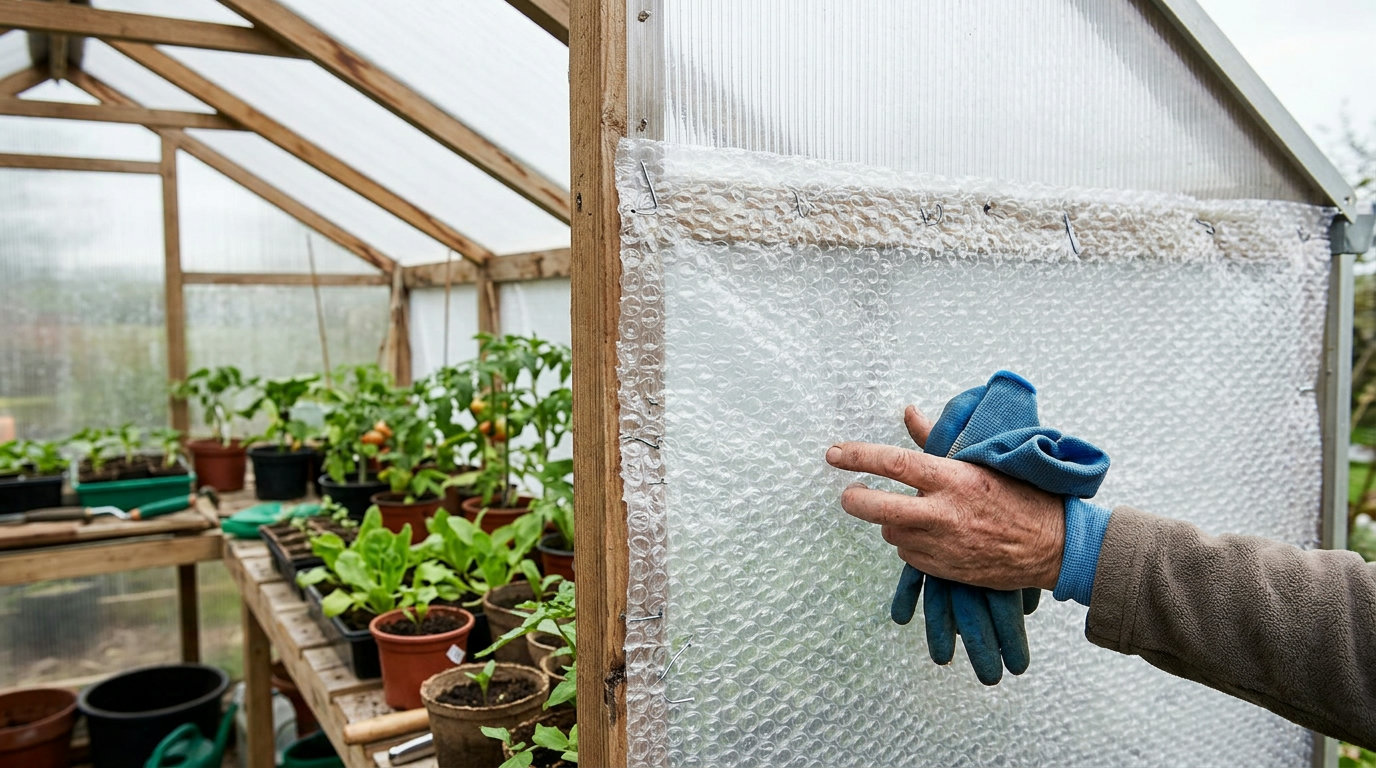
The cheapest way to keep a greenhouse warmer is usually to reduce heat loss before adding a heater: close gaps around doors and covering seams, repair tears, and use greenhouse-safe repair tape where appropriate. On cold nights, add a removable layer of horticultural fleece or a row cover directly over vulnerable plants, leaving enough space that the material does not crush their leaves.
For a walk-in tunnel greenhouse, focus first on the entrance and any loose edges where cold air can enter, while keeping a way to ventilate the space when temperatures rise. You can find more planning considerations in our walk-in tunnel greenhouse planning guide.
Make the Most of Sunlight
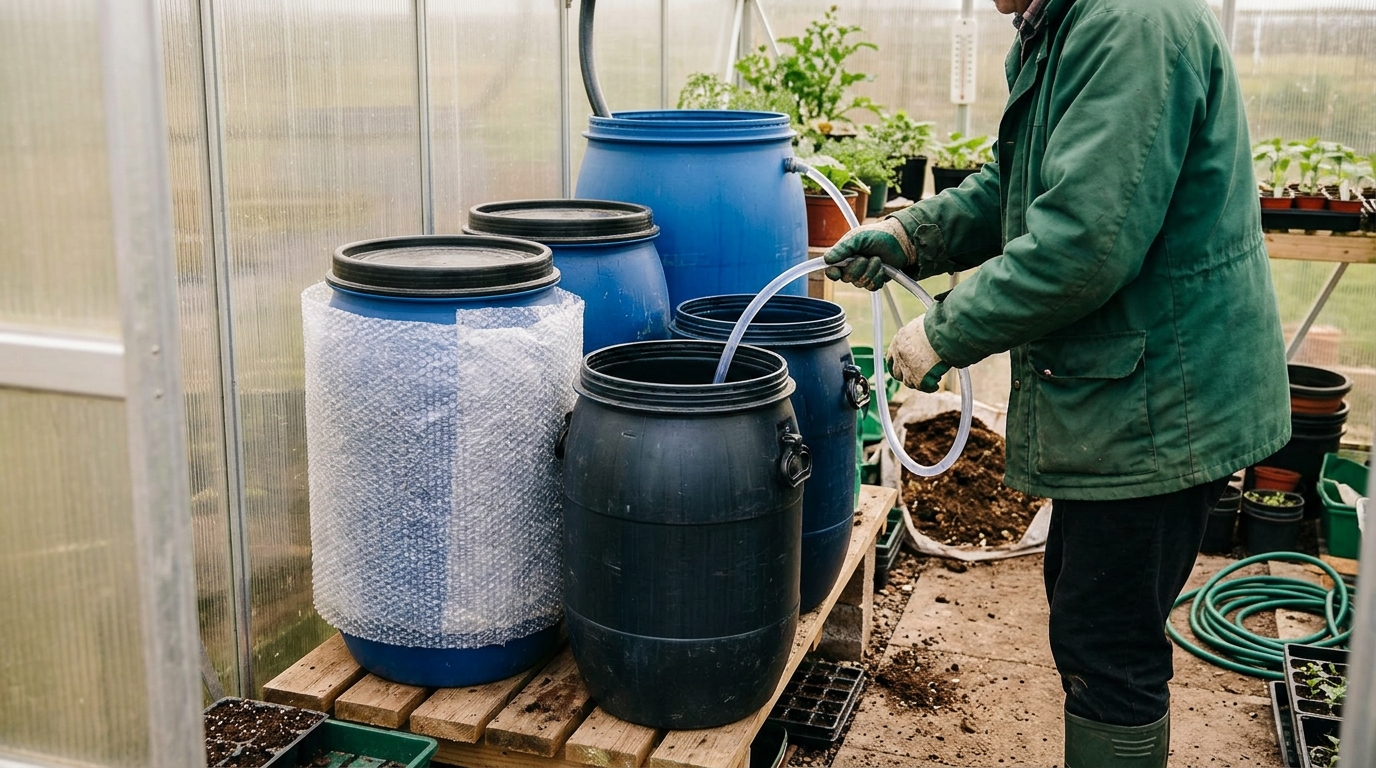
Place containers of water inside the greenhouse where they can receive sunlight without blocking plants or walkways; the water can absorb warmth during the day and release some of it as the air cools. This passive approach costs little if you reuse suitable containers, but it provides limited warmth and should not be relied on to prevent freezing during prolonged cold weather.
Keep the covering clean so sunlight can reach your plants, and avoid placing the greenhouse in deep winter shade when you have a choice of locations. Open ventilation when sunny conditions make the interior too warm, then close it before evening to retain as much warmth as practical.
Featured in this guide
Walk-In Tunnel Greenhouse
Heat a Smaller Area When Needed
If insulation and sunlight are not enough, protecting a small group of plants is generally more economical than heating the entire greenhouse, so gather tender plants under a row cover or in a smaller protected area. For seedlings, a thermostatically controlled heat mat designed for horticultural use can warm the root zone without requiring you to heat all the surrounding air.
If you need an electric greenhouse heater, use a thermostat and an outdoor-rated electrical setup protected by a ground-fault circuit interrupter, and keep equipment clear of water and combustible materials. Avoid using unvented fuel-burning heaters in an enclosed greenhouse because combustion can create dangerous carbon monoxide and excess moisture.
Choose Plants for Your Conditions
Cold-tolerant greens and other hardy plants may need less supplemental heat than tropical plants, making them a practical choice when you want to keep winter costs down. Group plants with similar temperature needs so you can give extra protection only to those that need it.
Our team recommends using a minimum-maximum thermometer to see how cold your greenhouse gets overnight before deciding whether passive protection is enough. If temperatures regularly fall below what your plants tolerate, add suitable heat or move sensitive plants indoors rather than assuming a cover alone will protect them.
FAQ
How can I heat my greenhouse cheaply?
Seal drafts, cover vulnerable plants at night, and use sunlight and water containers to capture some daytime warmth. If you need supplemental heat, warm a smaller plant area with a thermostatically controlled horticultural heat mat or a suitable heater instead of heating unused space.
See if Walk-In Tunnel Greenhouse fits your setup













Leave a comment