Inflatable Tent Lifespan: How Long Do They Last?
35% off on product page · save $905.50
Inflatable Tent Lifespan: How Long Do They Last?
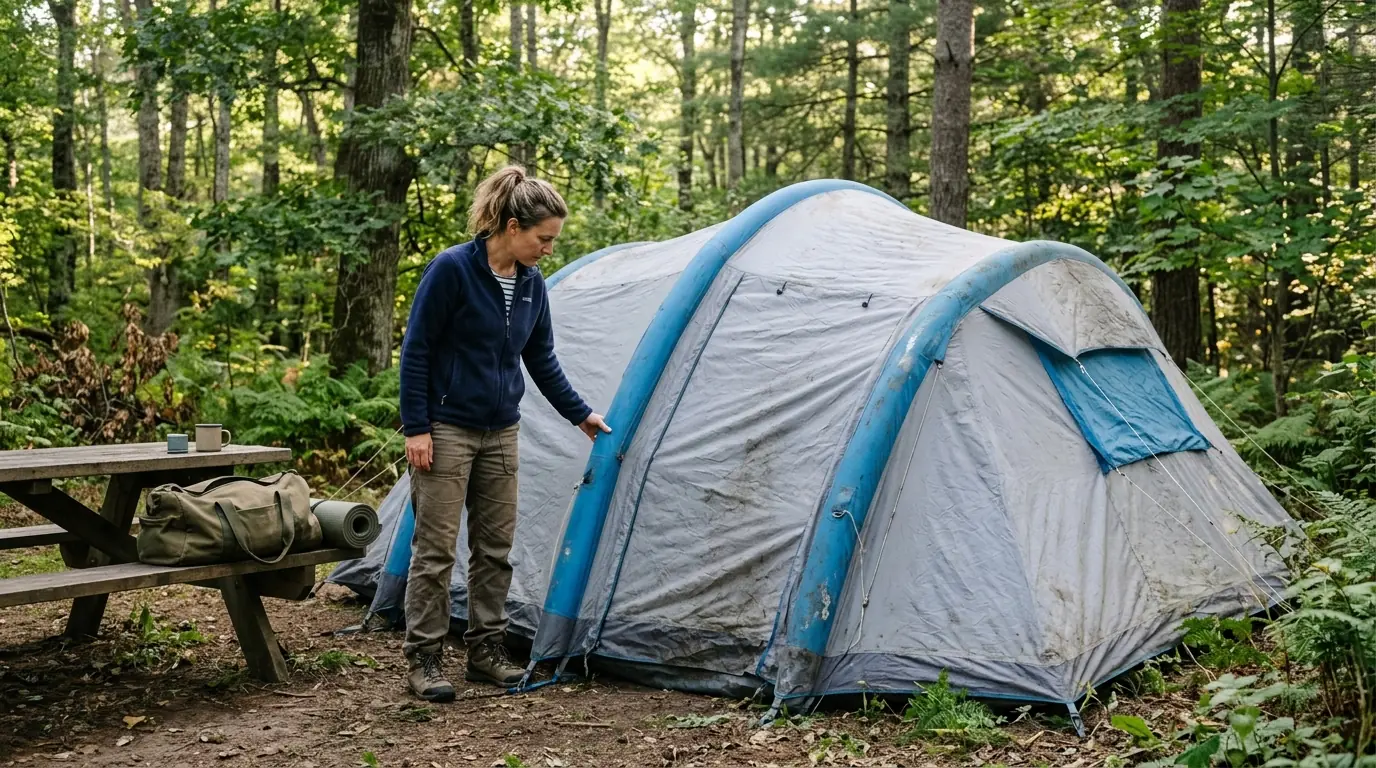
What is the lifespan of an inflatable tent?
An inflatable tent can last several years with regular recreational use, but its lifespan depends on the fabric, air beams, storage conditions, and how often it is pitched. A well-cared-for tent used for occasional camping may last five years or more, while one left outdoors for extended periods can wear out much sooner. For a closer look at what affects durability, see the inflatable tent lifespan guide.
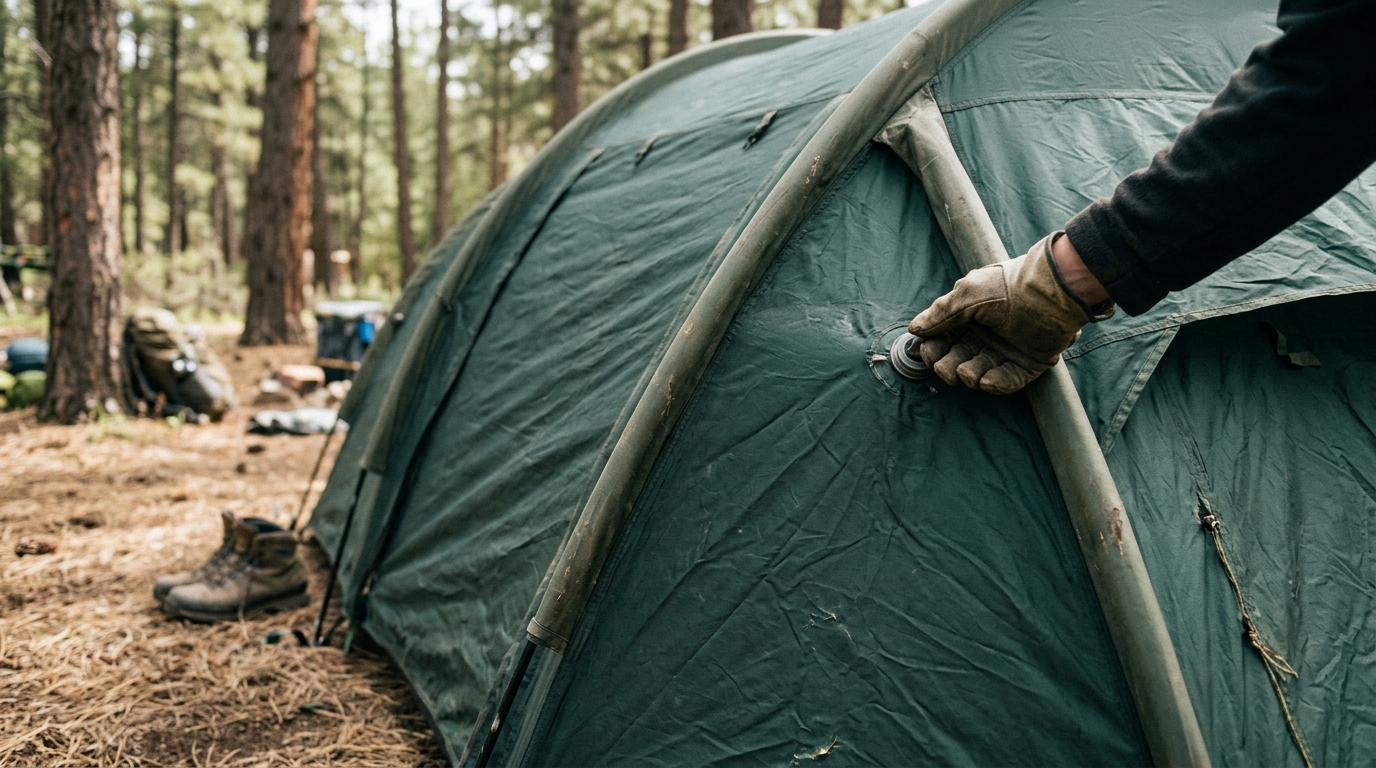
Fabric and air beams wear differently
The outer fabric takes the brunt of sun exposure, abrasion, and weather, while the inflatable beams must hold pressure without leaking. Check the tent’s fabric rating, beam construction, and availability of replacement parts before buying; a repairable beam can extend the useful life of an otherwise sound tent.
Featured in this guide
Luxurious Inflatable Starview Bubble Tent for Camping
How often you use it matters
A tent pitched a few weekends each year experiences less wear than one used every week or kept up for a full season. After each trip, inspect seams, valves, and the ground-facing fabric so small problems can be repaired before the next setup.
Storage can make or break its lifespan
Packing a damp tent can encourage mildew and damage coatings, even if the tent performed well on the trip. Let the fabric dry completely, release the air as directed by the manufacturer, and store the tent loosely in a cool, dry place when possible.
Know when it is time to repair or replace
A small puncture or loose valve may be fixable with a compatible repair kit, but widespread fabric deterioration is harder to address. If a beam repeatedly loses pressure or the fly no longer keeps out rain after proper care, compare the cost and availability of replacement components with a new tent.

Watch · product page video
“Offers a unique way to enjoy the outdoors. Highly recommend.”
Queenjonesenterprise product page · Product review
FAQ
What are the downsides of using an inflatable tent?
Inflatable tents generally require a pump and can lose pressure if a beam or valve develops a leak. Some models are also heavier or bulkier when packed than similarly sized pole tents.
What are the common problems with air tents?
Common problems include slow leaks, damaged valves, and abrasion or tears in the tent fabric. Inspecting the beams during setup helps you catch pressure loss before it disrupts a trip.
Do inflatable tents get holes easily?
Air beams are designed for camping use, so a hole is not inevitable during normal handling. Sharp objects, rough ground, and careless packing can cause punctures; a suitable footprint and repair kit are useful precautions.
See if Luxurious Inflatable Starview Bubble Tent for Camping fits your setup













Leave a comment