Warmest Dog Coat for Winter: How to Choose
65% off on product page · save $31.85
Warmest Dog Coat for Winter: How to Choose
What Makes a Dog Coat Warmest?
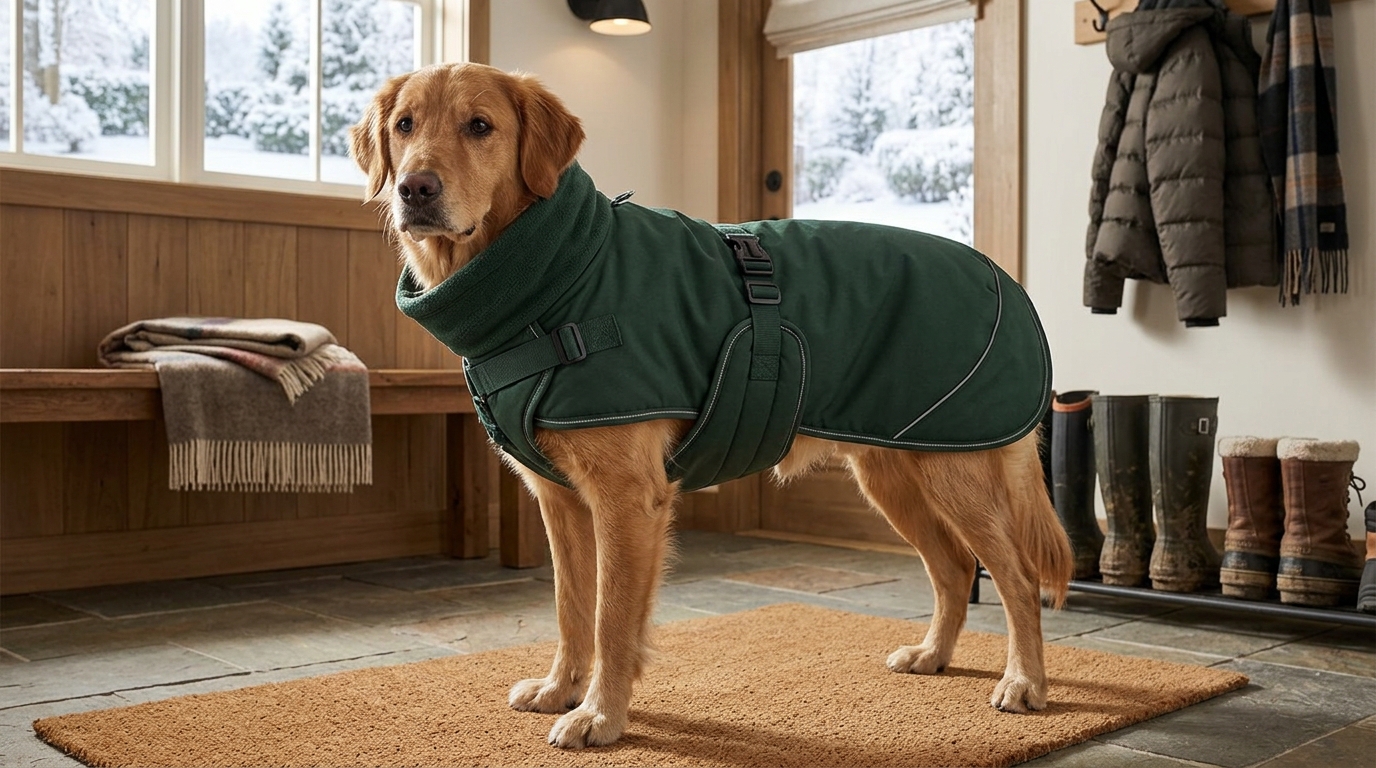
The warmest winter dog coat combines insulation with a wind-resistant, water-resistant outer layer. Insulation holds warmth close to your dog, while the shell helps keep wind and wet snow from cutting through it. For bitter weather, we recommend a coat that covers the chest and reaches toward the base of the tail without restricting movement.
Choose Insulation for Your Weather
For cold, dry days, a quilted coat with synthetic insulation offers warmth without excessive weight. If winter usually brings sleet or wet snow, prioritize a waterproof shell and covered seams so the insulation stays dry. Fleece can add comfort, but a fleece-only jacket is better suited to mild, dry conditions than to a windy storm.
Featured in this guide
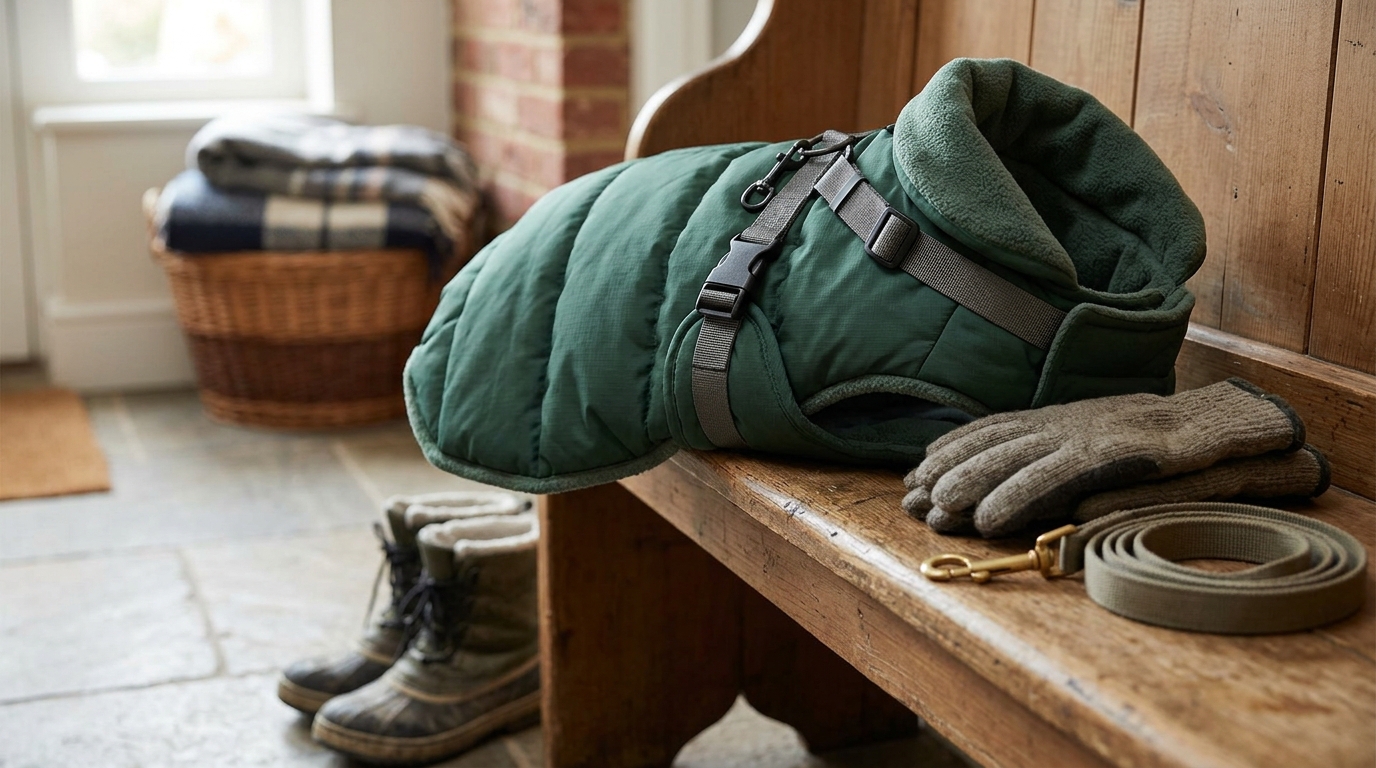
Warm Cotton Dog Coat – Cozy Winter Pet Jacket
Pay Attention to Coverage
A warm coat should protect more than your dog’s back. Look for a design that covers the chest and belly while leaving enough clearance for bathroom breaks. Our team also favors a collar that sits comfortably at the neck and a hem that stays in place when your dog walks, rather than shifting or bunching.
Make Sure the Coat Works for Your Dog
Measure your dog’s back from the base of the neck to the base of the tail, then measure around the widest part of the chest. Use both measurements when choosing a coat; back length alone cannot tell you whether the chest will close comfortably. Adjustable closures help you secure the coat without making it tight under the front legs.
Our Pick for the Coldest Days
For most dogs that need extra protection in winter, our choice is an insulated coat with a waterproof, wind-resistant shell, substantial chest coverage, and adjustable closures. The warmest option is one your dog can move in freely: a coat that twists, gaps, or limits their stride will not serve them well outdoors.
FAQ
What is the best coat to keep my dog warm in winter?
Choose an insulated coat with a wind-resistant, water-resistant shell and coverage across the chest and back. For wet winter conditions, a waterproof shell is the better choice because insulation works best when it stays dry.
How cold is too cold for a dog outside in a dog house?
There is no single safe temperature for every dog; age, health, coat type, wind, and moisture all matter. Around 20°F or below, extended time outside can be dangerous for many dogs, even with a dog house and coat, so bring your dog indoors.
See if Warm Cotton Dog Coat – Cozy Winter Pet Jacket fits your setup













Leave a comment