Cheapest Ways to Heat a Greenhouse in Winter
29% off on product page · save $87.48
Cheapest Ways to Heat a Greenhouse in Winter
Start by Keeping Heat In
The cheapest way to keep a greenhouse warmer in winter is usually to conserve the sun’s free heat before adding a heater: seal obvious drafts, repair tears, and close doors before temperatures fall. Focus on reducing unnecessary air leaks rather than sealing the space completely, because plants still need ventilation to limit excess humidity and fungal problems.
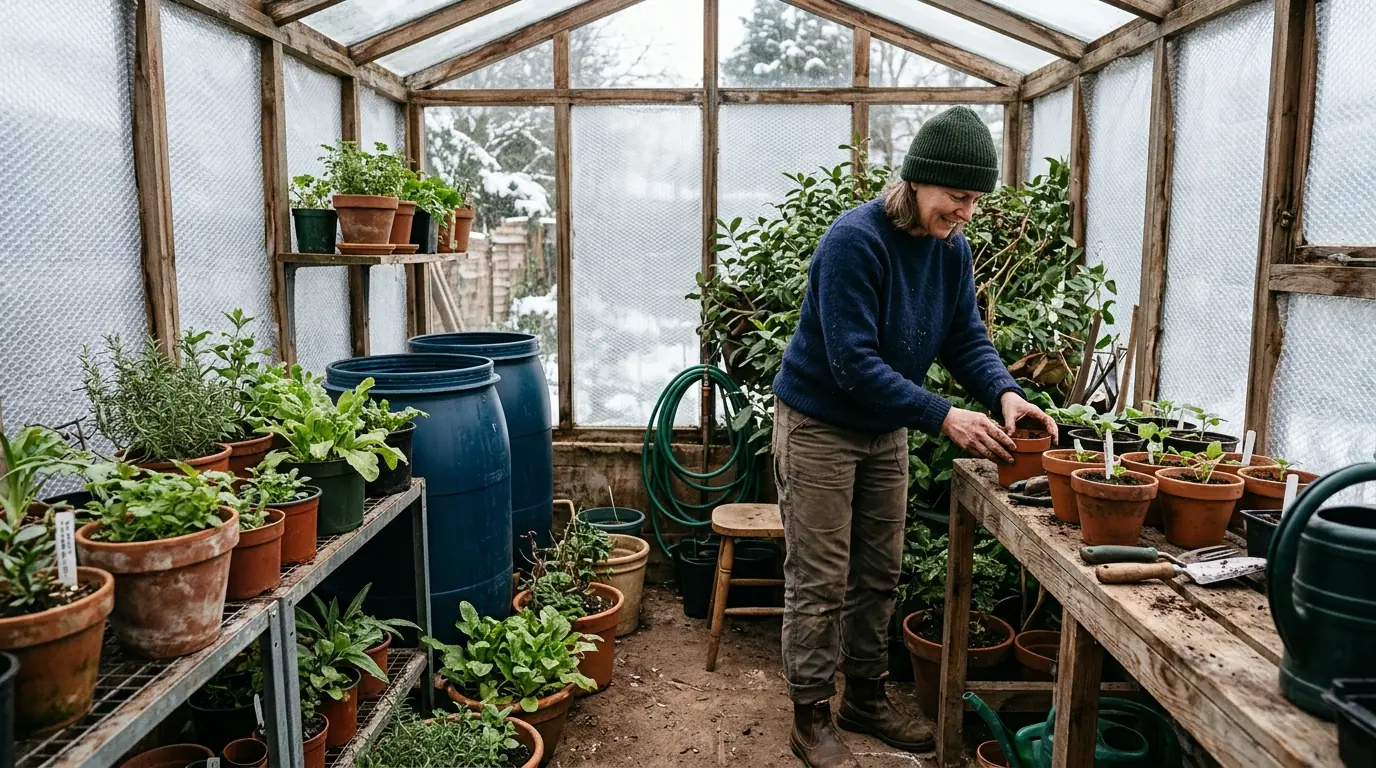
Add an inner layer of greenhouse insulation film or horticultural bubble wrap, leaving an insulating air gap where practical, and secure it so it will not fall onto plants. Remove snow carefully when it blocks light or places weight on the structure, using methods suited to your greenhouse covering and frame.
Use Free Heat More Effectively
Place dark, water-filled containers where they receive sunlight during the day; the water can absorb some heat and release it gradually as temperatures drop, although it will not reliably prevent freezing in severe weather. Keep containers stable, allow room for expansion if water freezes, and avoid blocking too much light from your plants.
Group tender plants together and cover them at night with horticultural fleece or a small inner tunnel, creating a smaller protected space instead of trying to warm the entire greenhouse. Remove or open covers when daytime temperatures rise, and keep fabric from resting directly on delicate foliage where possible.
Featured in this guide
Walk-In Tunnel Greenhouse
Heat Only When You Need To
If passive measures are not enough, a thermostatically controlled electric heater can be a practical backup for a small growing area, but its running cost depends on local electricity rates, insulation, weather, and your target temperature. Set the thermostat only as high as your plants require, and consider concentrating vulnerable plants in a smaller protected zone so you are not heating unused space.
Use equipment intended for greenhouse or damp environments, keep it clear of water and combustible materials, and follow its electrical safety instructions. Avoid unvented combustion heaters: they can create dangerous fumes and add moisture, and any fuel-burning equipment needs appropriate ventilation.
Plan Around Your Plants
Cold-tolerant crops generally need less protection than tropical plants, so choosing plants suited to your winter conditions can reduce heating needs more than buying a larger heater. Use a minimum-and-maximum thermometer near plant height to see how cold the growing area actually gets, then adjust covers or backup heat before a forecast freeze.
For more planning ideas, read our walk-in tunnel greenhouse planning guide. Our Walk-In Tunnel Greenhouse is an option to consider when planning your growing space; our team recommends matching your winter protection strategy to your local climate and the plants you want to grow.
See if Walk-In Tunnel Greenhouse fits your setup













Leave a comment