What Wire Cutters Do Electricians Use? A Practical Guide

72% off on product page · save $25.51
What Wire Cutters Do Electricians Use? A Practical Guide
Wire Cutters Electricians Commonly Use
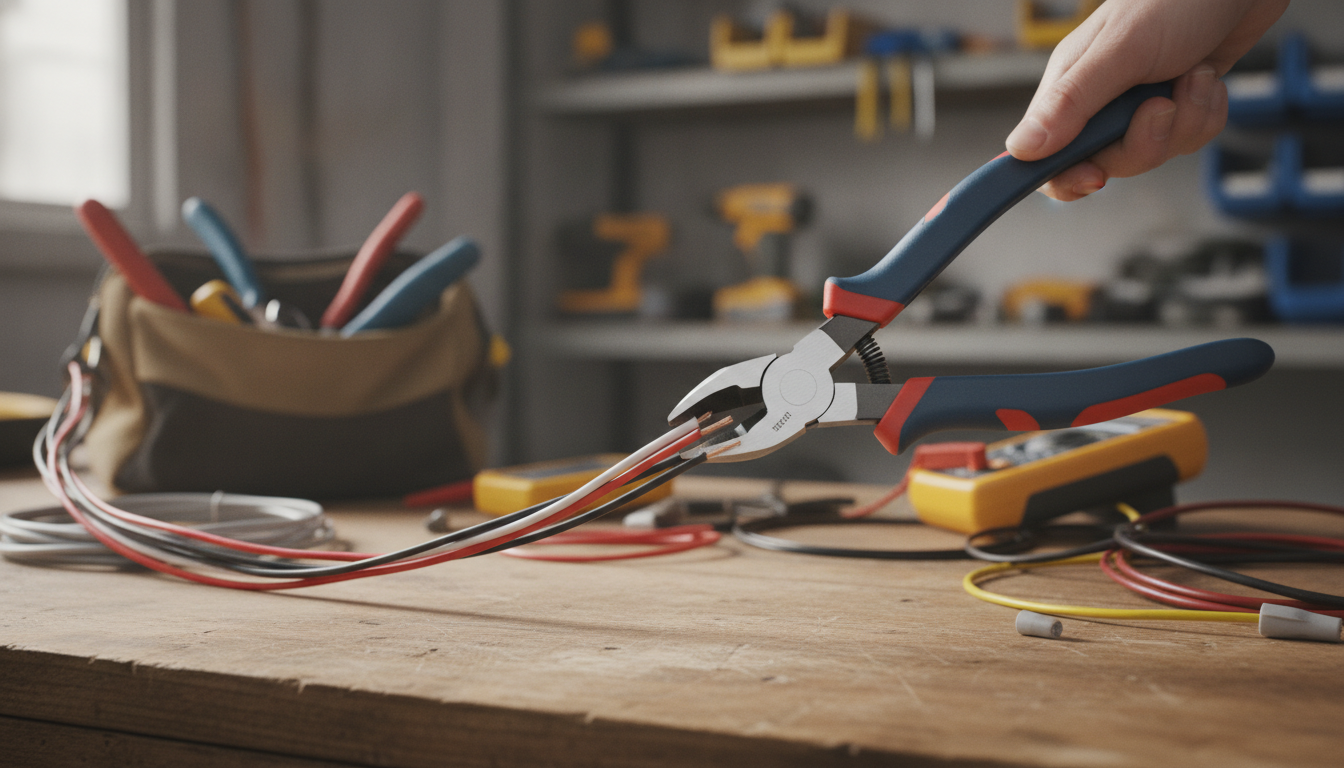
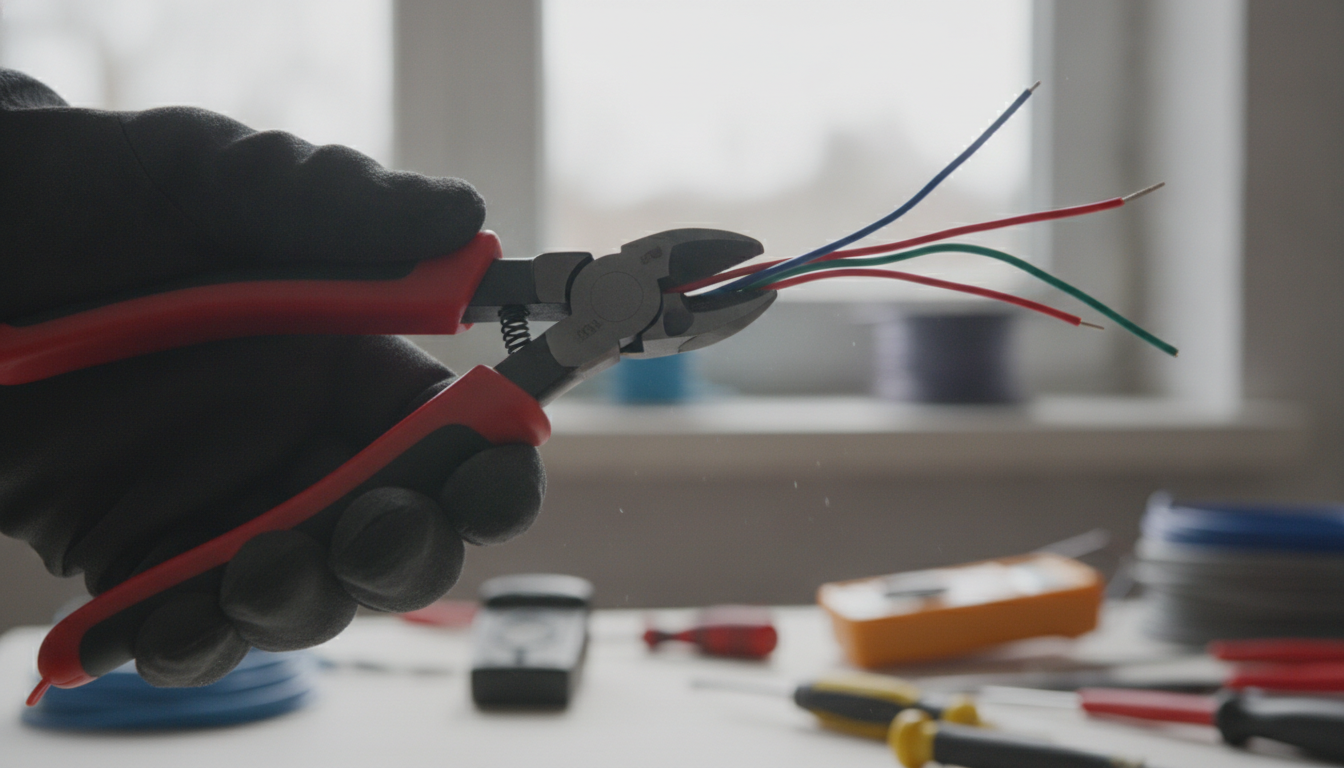
Electricians commonly use diagonal cutting pliers, also called side cutters, for cutting individual wires and trimming leads in electrical boxes. Lineman’s pliers combine cutting jaws with a gripping surface, making them useful when you also need to twist or hold wire.
For cable with multiple conductors, dedicated cable cutters can provide a cleaner cut with less effort than general-purpose pliers. Wire strippers often include a cutting edge, so you can cut a wire to length and remove its insulation with one tool.
Choosing Cutters for the Job
Match the cutter to the wire’s material and size: small diagonal cutters suit many common wiring tasks, while larger cable cutters are designed for thicker cable. A clean cut matters when you need to fit a conductor into a terminal, because badly crushed or frayed ends can make the connection harder to prepare.
For a versatile everyday kit, you might choose diagonal cutters for close work and lineman’s pliers for gripping and cutting. When you regularly work with larger cable, adding a properly sized cable cutter can be more practical than forcing a smaller pair of pliers.
Featured in this guide
Heavy-Duty Bolt Cutter – 8in to 24in | Precision Lock & Wire Cutting Tool
When to Consider a Bolt Cutter
Bolt cutters are generally better suited to heavy cutting tasks than to the precise trimming electricians do inside a box. Our Heavy-Duty Bolt Cutter is offered in sizes from 8 to 24 inches, but you should match any bolt cutter to the material and diameter you need to cut.
Our bolt cutter sizing guide covers how size relates to cutting locks, wire, and bolts. For electrical conductors, choose a cutter intended for the specific wire or cable rather than assuming a bolt cutter is the right tool.
Use and Care
Before cutting, turn off power, follow the appropriate lockout procedures, and verify that the circuit is de-energized with a properly rated tester. Do not rely on ordinary tool handles for protection from electric shock; energized work requires appropriate training, procedures, and equipment.
Keep cutting edges clean and inspect them for chips, looseness, or other damage before use. Avoid cutting material beyond the tool’s rated capacity, and store your cutters dry to help protect the jaws and pivot.
FAQ
What do electricians use to cut wire?
Electricians use diagonal cutters, lineman’s pliers, cable cutters, and the cutting edges built into some wire strippers. The best choice depends on the conductor’s material and size and the space available around it.
What are the best wire cutters for electricians?
For general electrical work, diagonal cutters and lineman’s pliers are useful choices because they handle different cutting and gripping tasks. Dedicated cable cutters are worth considering when you frequently cut thicker cable, provided they are rated for the material and size.
See if Heavy-Duty Bolt Cutter – 8in to 24in | Precision Lock & Wire Cutting Tool fits your setup













Leave a comment